In the Quiet of Disease:
Addressing the need for
effective management of NCDs
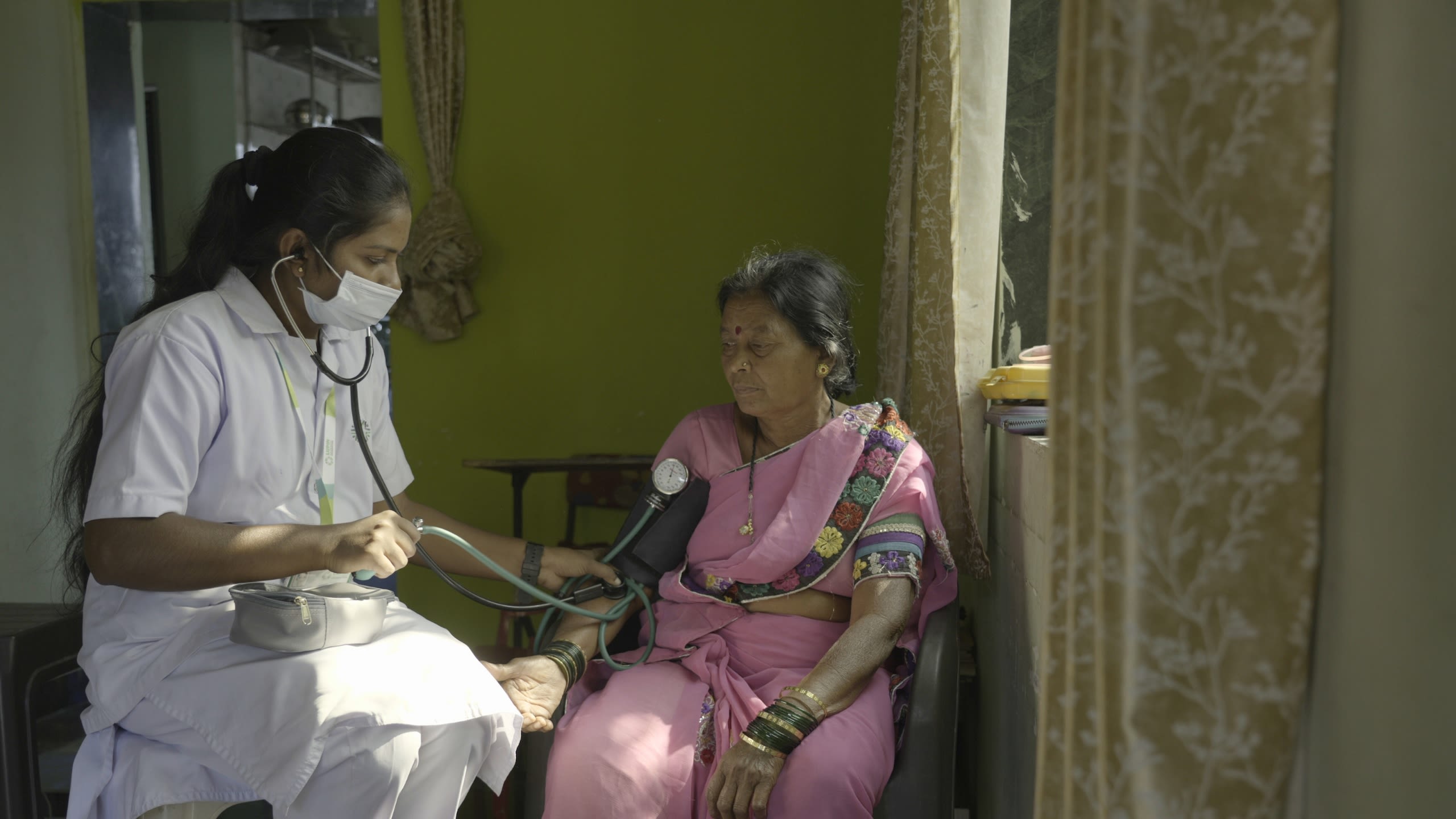

India's health landscape is shifting, with non-communicable diseases (NCDs) like cardiovascular conditions, diabetes, and respiratory disorders now surpassing communicable diseases in morbidity and mortality. Driven by globalization, changing lifestyles, and demographics, NCDs claim 41 million lives globally each year, with low- and middle-income countries (LMICs) accounting for 77% of these deaths due to limited healthcare resources.
In India, rising economic prosperity, sedentary jobs, and unhealthy diets have increased obesity rates and NCD cases. The healthcare system now faces the dual challenge of managing both communicable and non-communicable diseases.
Rural areas, traditionally reliant on manual labor and simpler diets, now grapple with the impacts of
sedentary lifestyles, processed foods, limited preventive healthcare, and a lack of NCD awareness.
These factors leave rural populations increasingly vulnerable.
Palghar district, located 87 km from Mumbai, highlights this crisis. As an emerging industrial hub with a rich tribal heritage, it faces the growing challenge of addressing NCDs amidst economic and
cultural transitions.

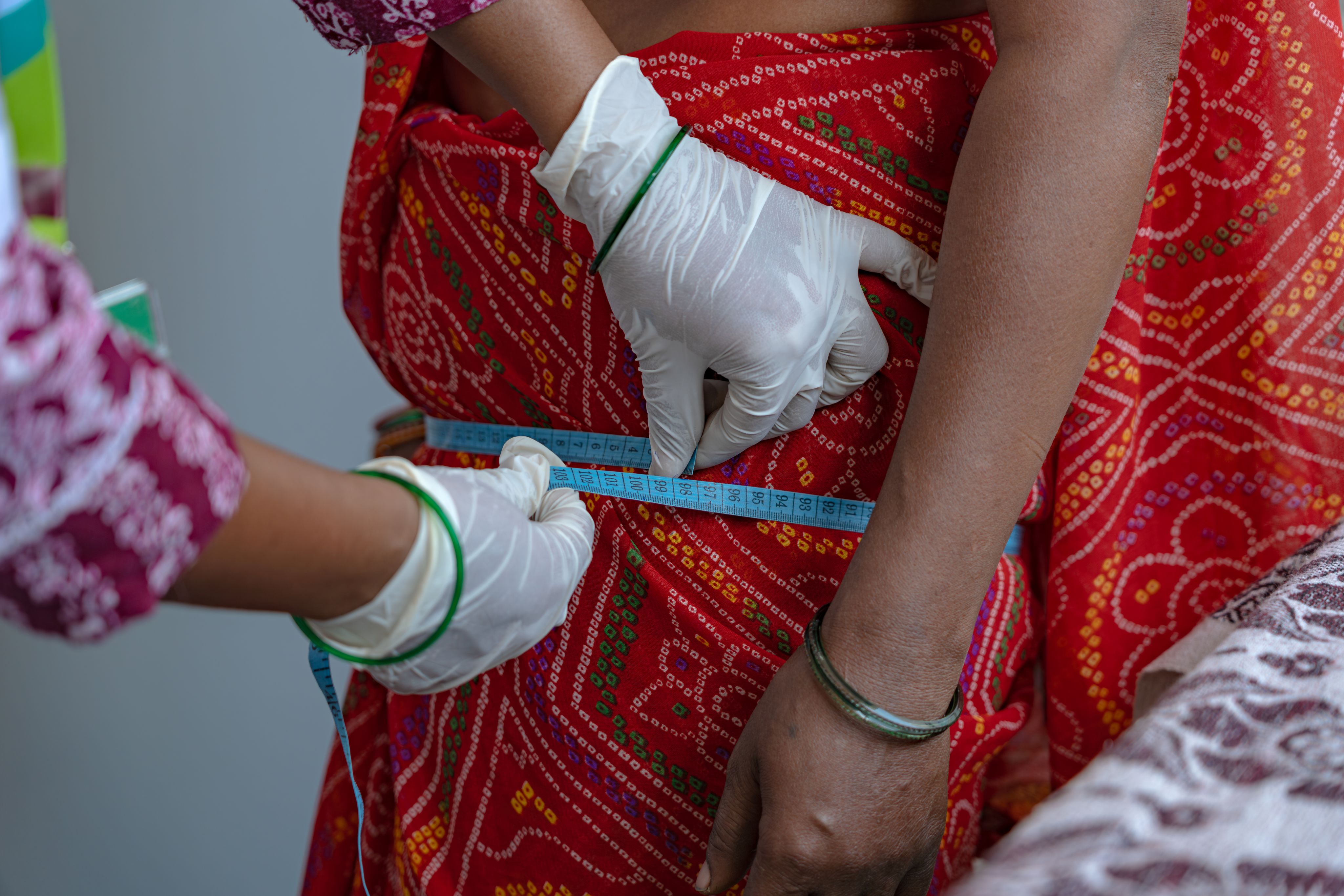
Jitendra Bari, a 57-year-old resident in the Dahanu block of Palghar, suffers from diabetes, and hypertension for over two decades.
As he lives in the coastal part of the Dahanu block and has limited access to healthcare and medicines he frequently ordered his medications from the city through relatives.
During the pandemic, disruptions led to irregular medication use, worsening Mr. Bari's health.
For over four years, Mr Bari frequently complained of severe chest and shoulder pain upon exertion, fatigue, and breathlessness, yet his complications remained undiagnosed.

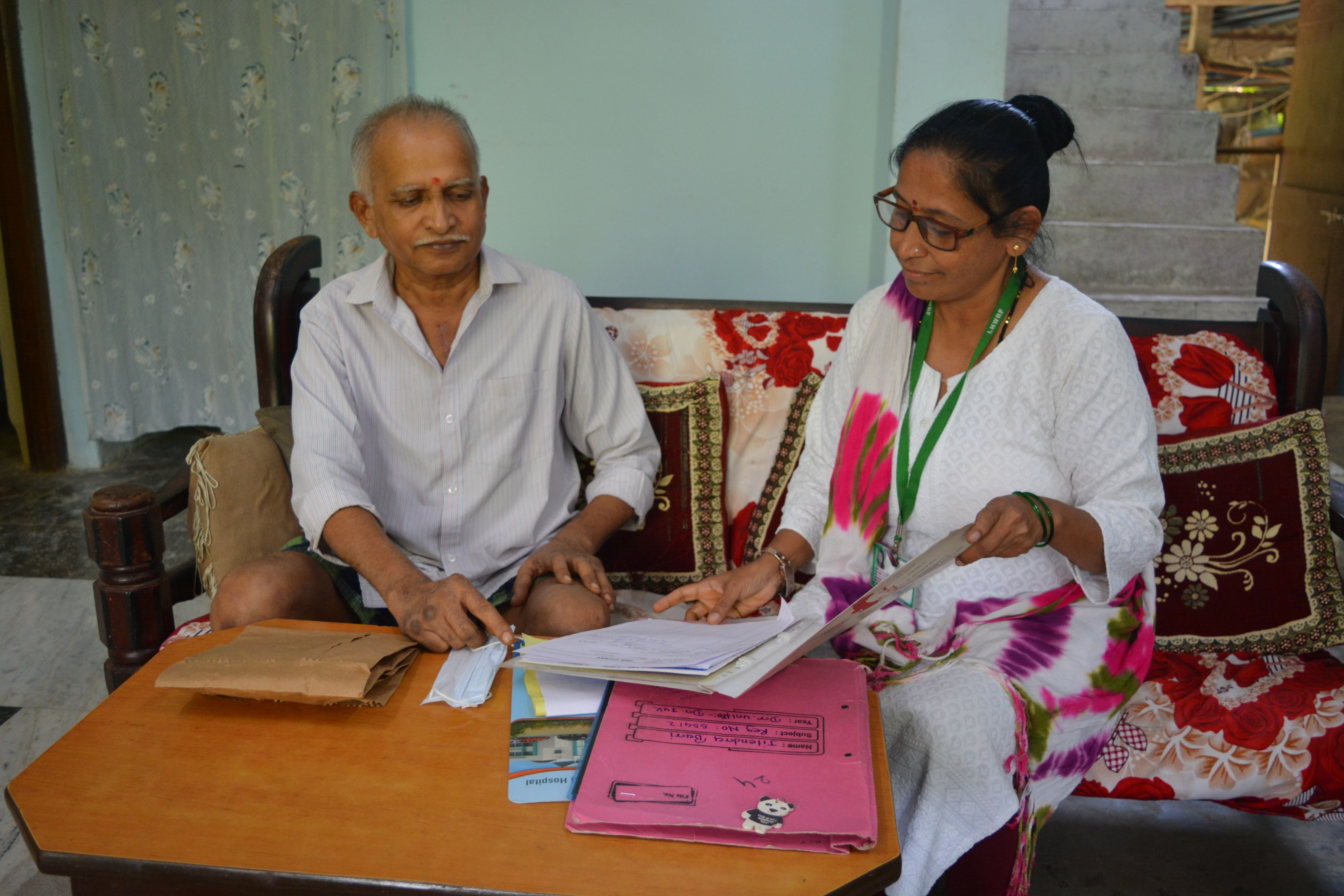
Coronary artery disease (CAD) is a severe complication in Diabetes and Hypertension patients, characterized by narrowed or blocked coronary arteries causing chest pain and restricting blood flow which can lead to fatal heart attacks if untreated.
Mr. Bari cited the lack of nearby healthcare facilities and poor transport as key reasons for delayed treatment.

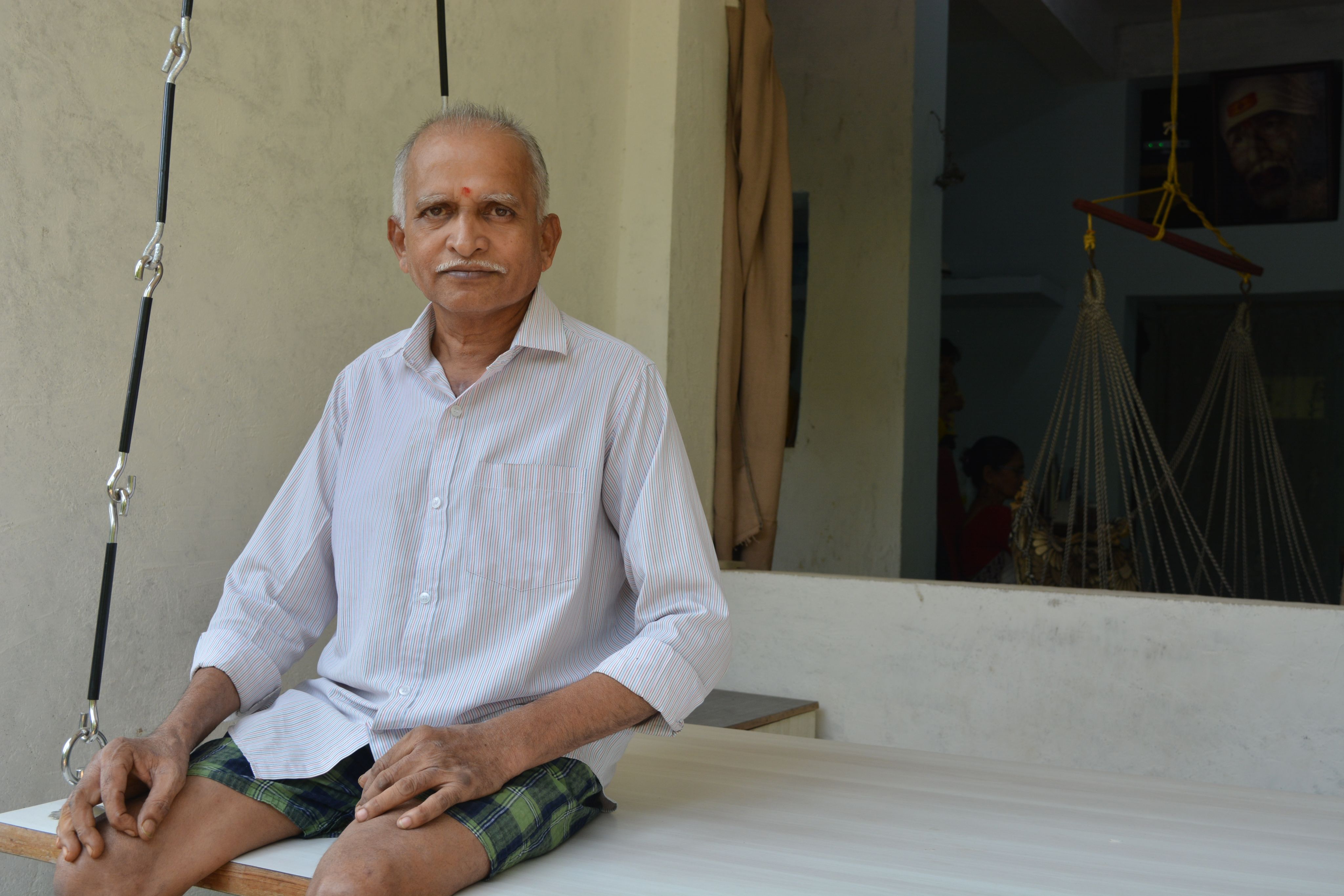
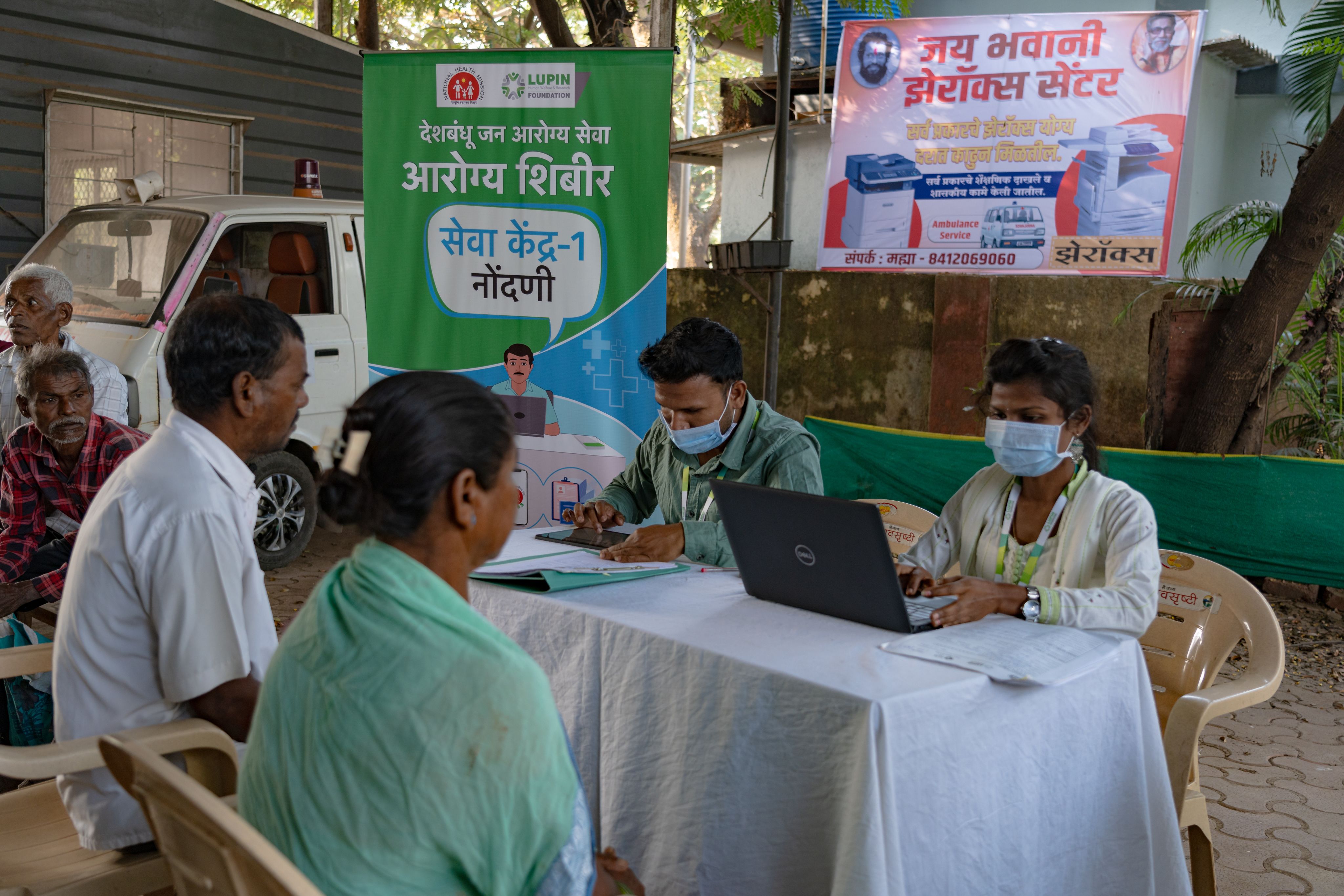
A study shows in rural areas the average distance to health centers is nine-kilometer augmented by poor transportation infrastructure increasing NCD management challenges. Eventually, a community mobilizer from the Lives program, run by the Lupin Human Welfare and Research Foundation, visited Mr. Bari referred him for screening at a health camp, with subsequent follow-up, advanced diagnostic support and specialist consultation it was determined that he required surgery for his condition.


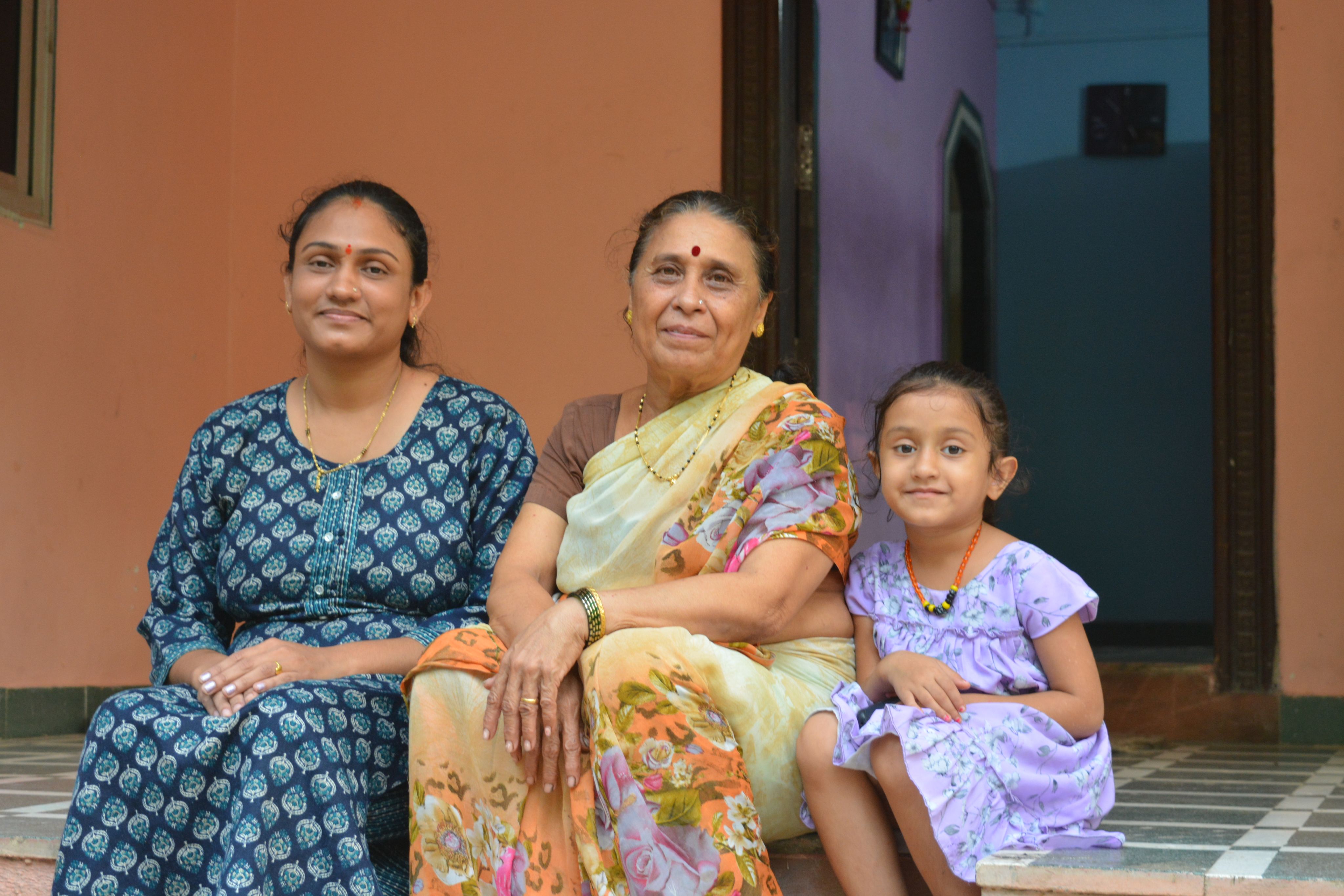
A similar experience was shared by Mrs. Devashri Mali as she was diagnosed with Asthma at the young age of 16, she had a similar experience finding specialist care in Dahanu for her Asthma condition.
She visited a specialist doctor at Surat once which is 180 km away and admits to taking medications irregularly. Currently, she is taking treatment under the Lives program and is being attended by a pulmonologist and is regular in taking her medications and inhalers.

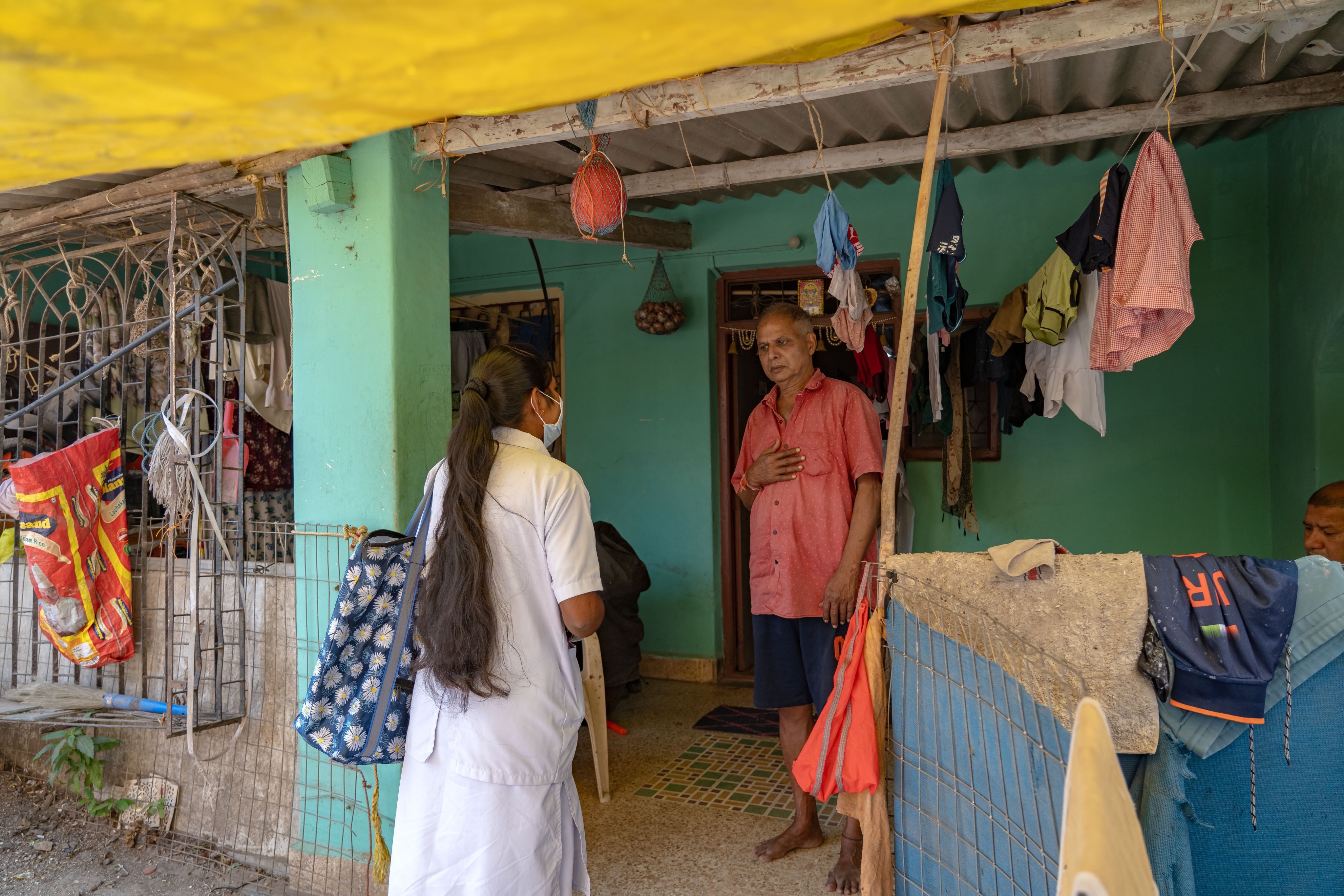
Despite the challenges posed by limited healthcare infrastructure and an aging population, non- communicable diseases (NCDs) can be prevented and managed through evidence-based strategies.
The Lives program offers a promising way forward with its focus on:
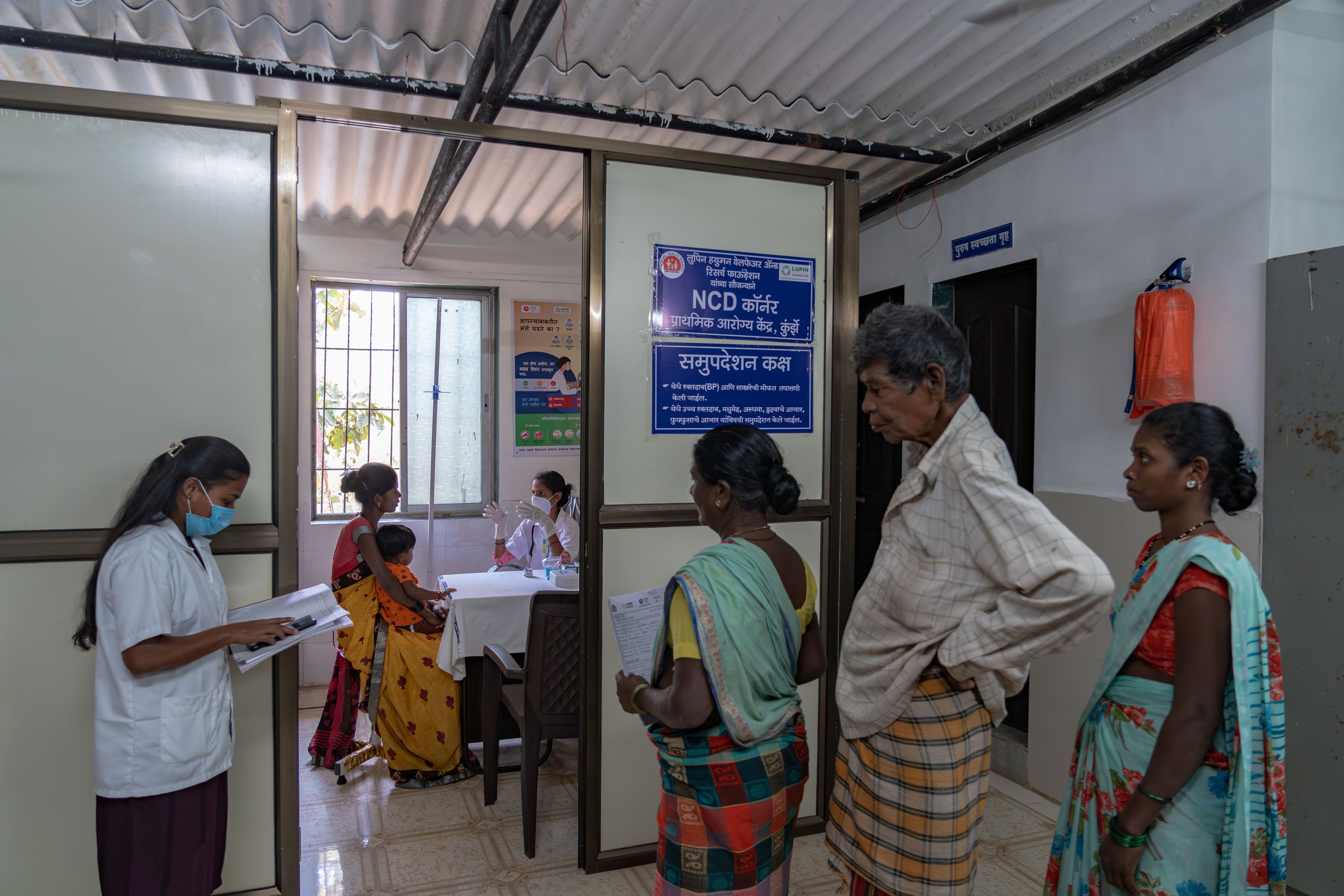
a. Early Detection: Localized screening initiatives to identify high-risk individuals before conditions progress.
b. Preventive Education: Raising awareness about NCD risks and management strategies.
c. Integrated Services: Providing free diagnostic services and treatment for underserved communities.
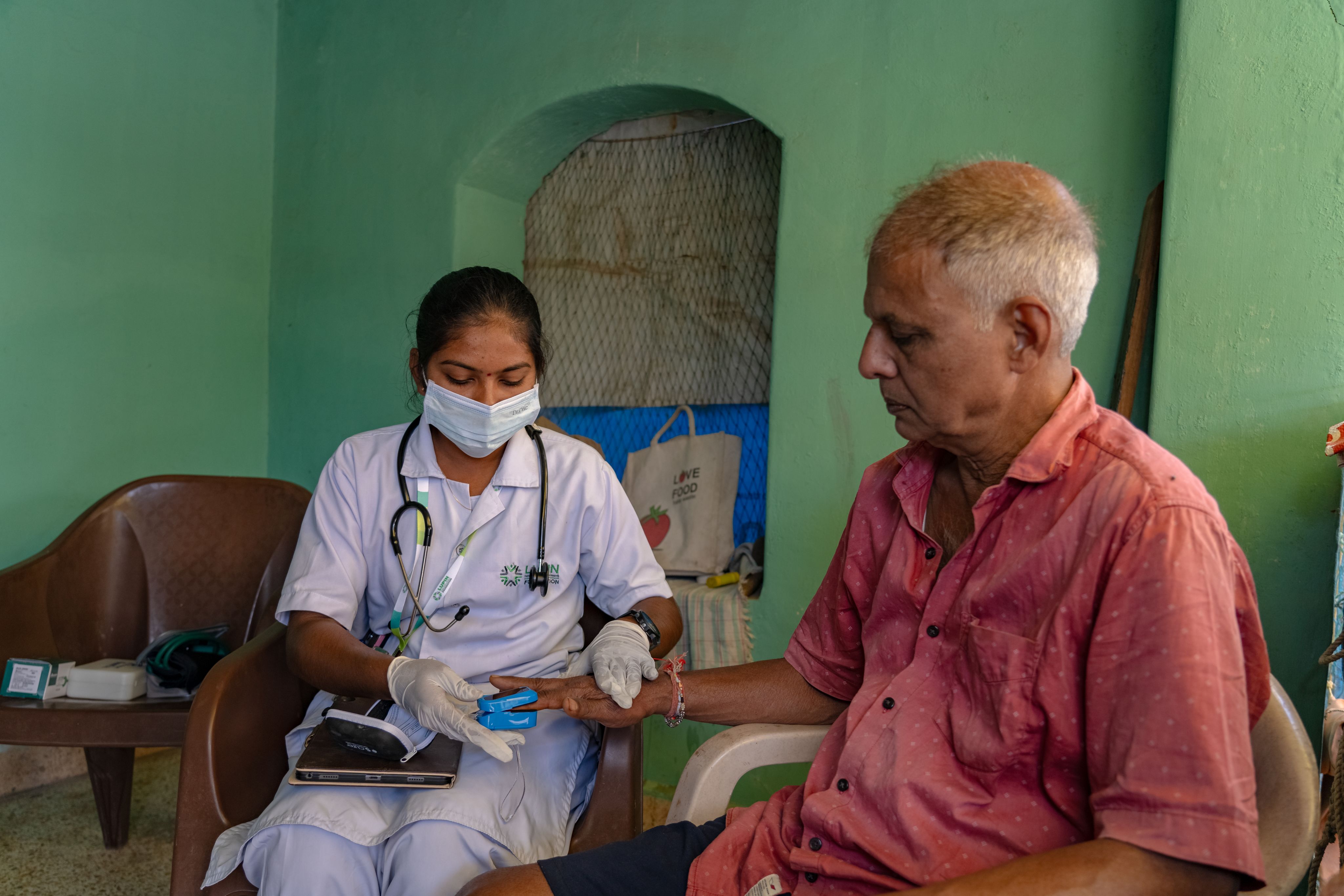
Three years ago Ms Bhakti Mahale was diagnosed with hypertension and diabetes. Due to irregular follow-ups and non-adherence to prescribed medications because of financial constraints worsened her condition, as a result, she is now scheduled to undergo angioplasty-A procedure to open blocked coronary arteries.
In the meantime, Ms. Bhakti has been relying on herbal remedies to manage her symptoms, which include headaches, severe fatigue, and breathlessness during conversation. She admits to being casual about her condition in the past and not following her physician's prescribed treatment regimen.
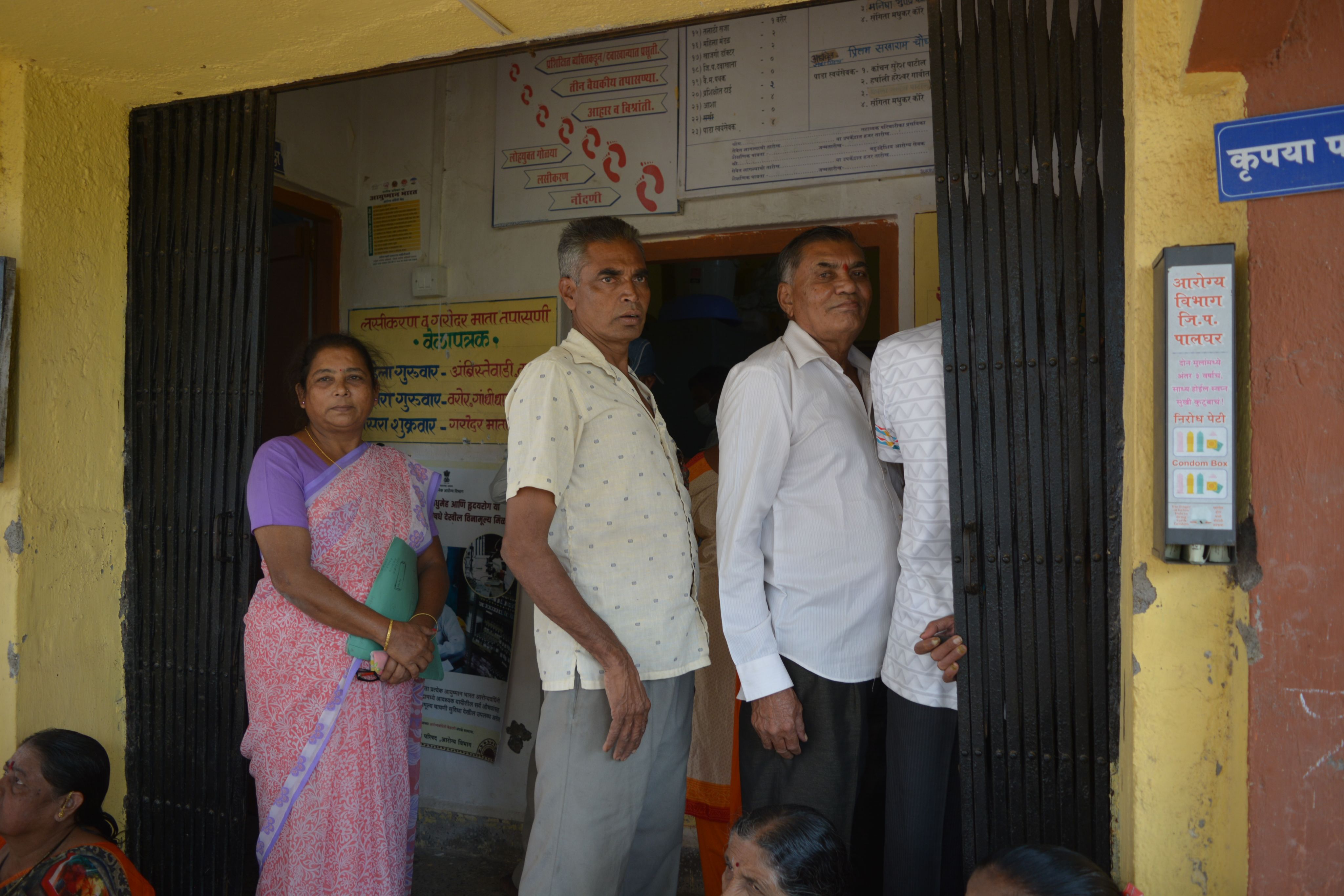
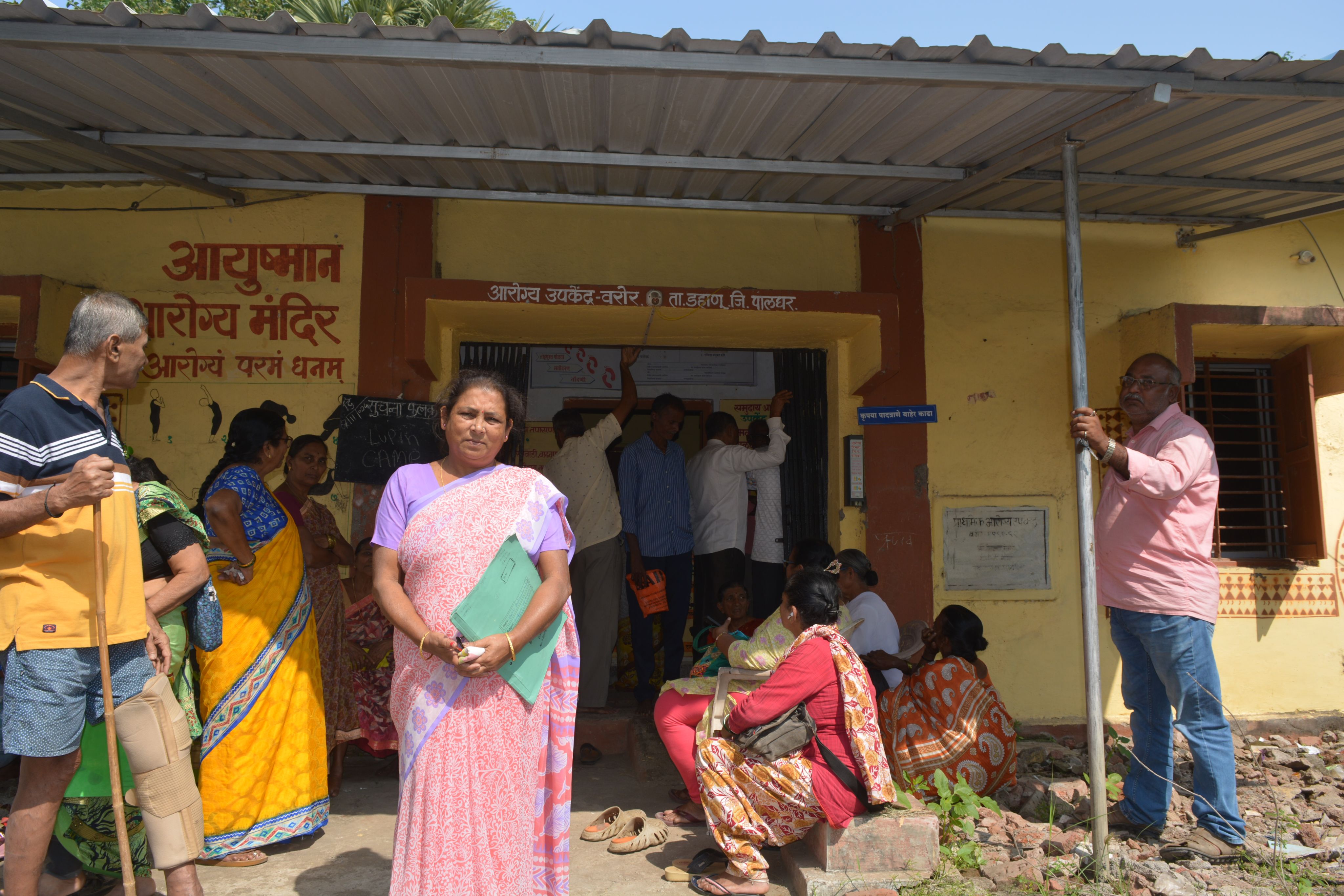
However, for the past 8–9 months, she has been attending health camps organized by the Lupin Foundation. She expresses gratitude for the medication support and constant follow-up conducted by the ANMs, which have greatly improved her approach to managing her health.

Launched in 2022, the Lives program—officially known as the Desh Bandhu Jan Aarogya Seva—aims
to combat the rising prevalence of NCDs through a holistic approach. The program focuses on
addressing root causes and strengthening health systems to manage conditions like COPD,
cardiovascular diseases, and diabetes. By prioritizing access to healthcare, the Lives program offers a
pathway to better health outcomes for underserved populations.

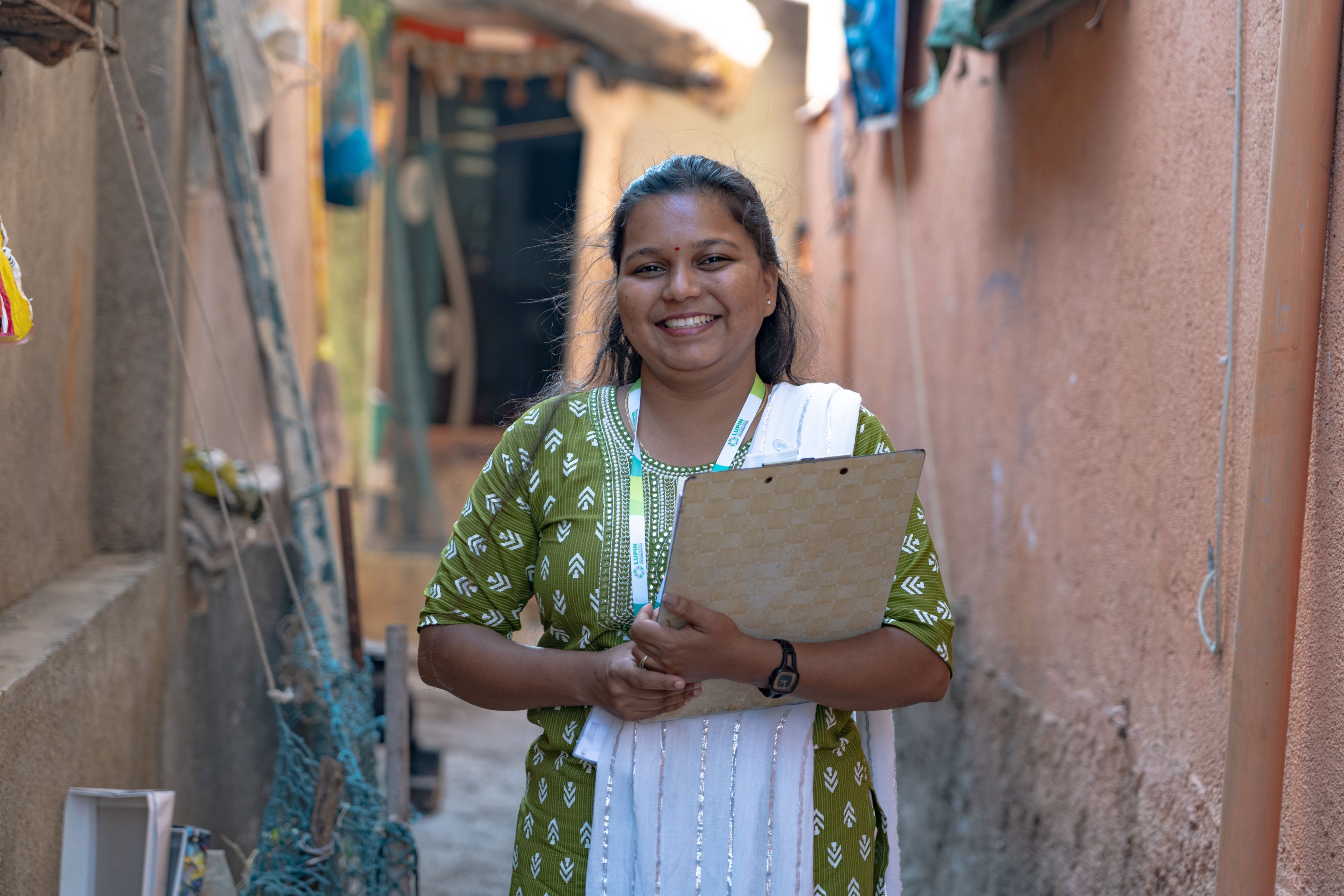




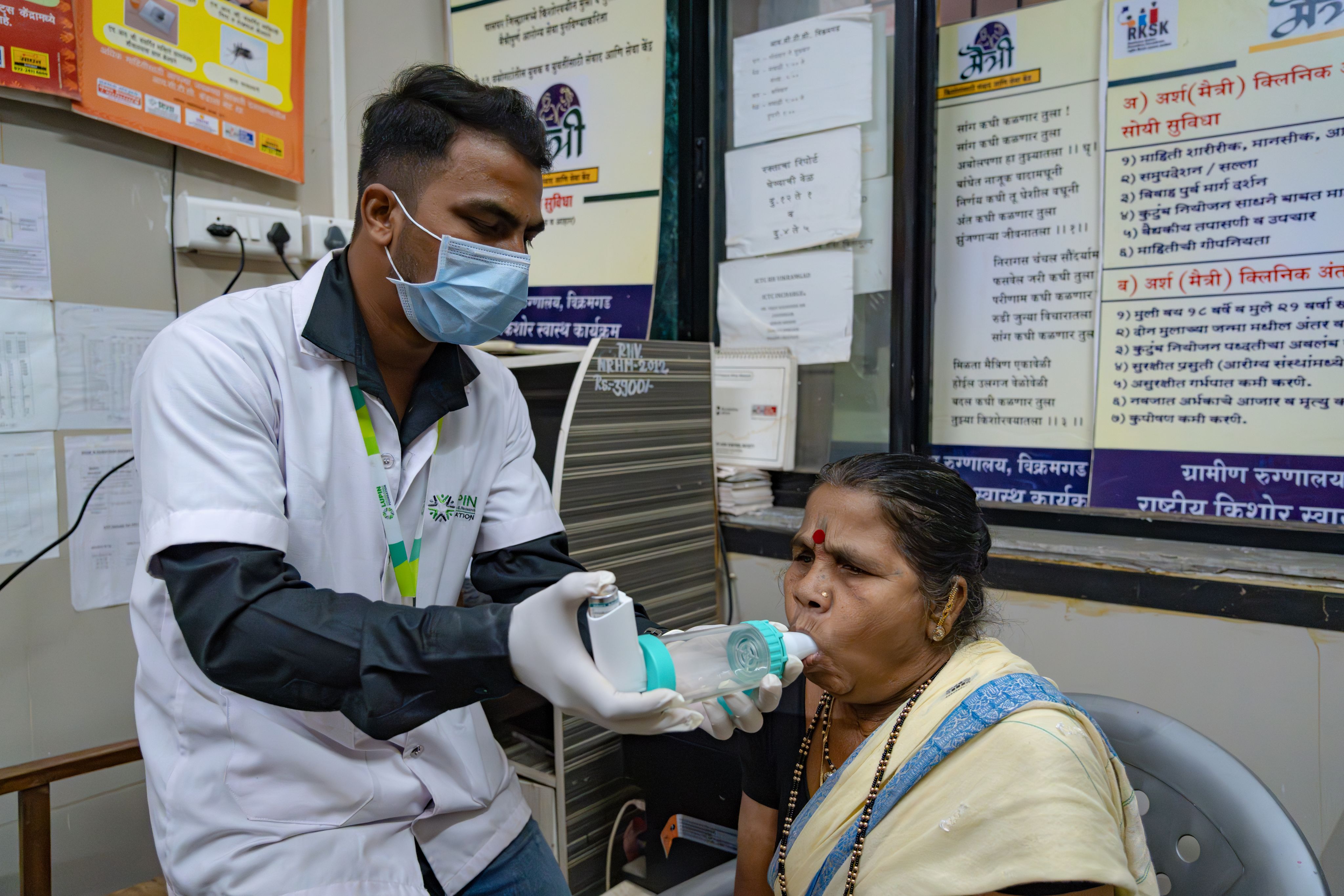



Trained Healthcare staff
Trained Healthcare staff
Health Camp at a PHC
Health Camp at a PHC
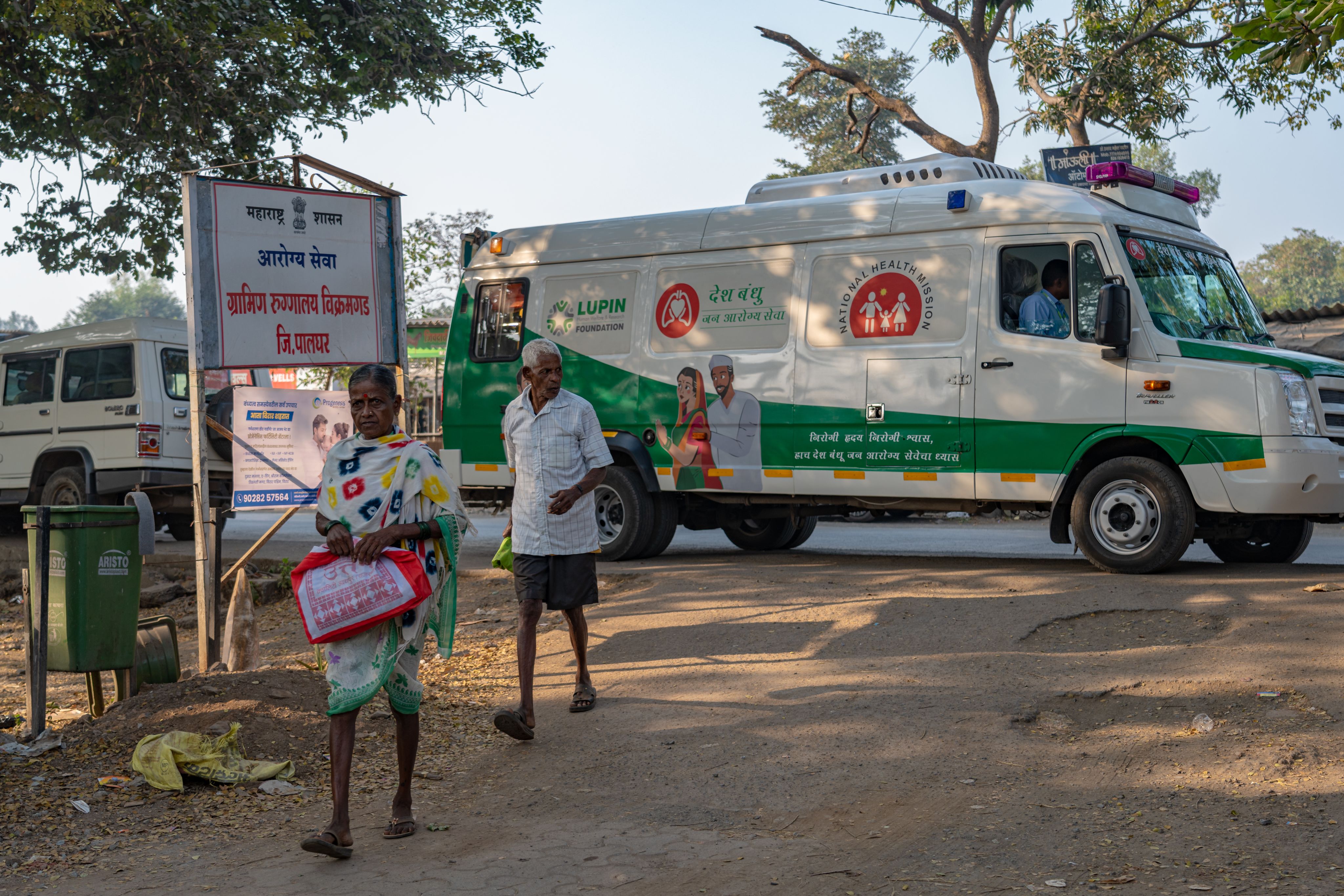
Fully equipped Mobile Medical Unit
Fully equipped Mobile Medical Unit
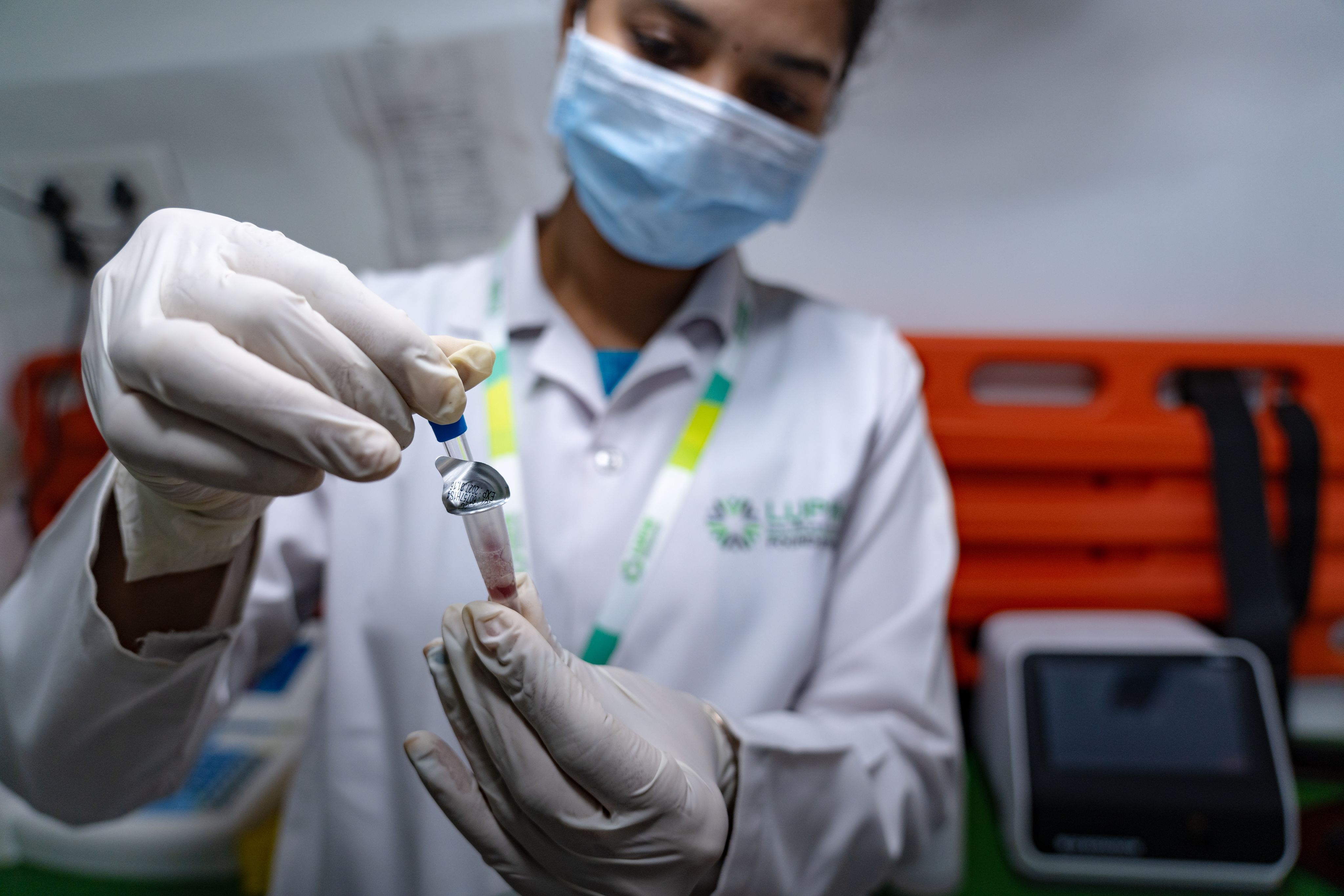
Point of care NCD diagnosis
Point of care NCD diagnosis
Early detection and trained healthcare staff
Early detection and trained healthcare staff
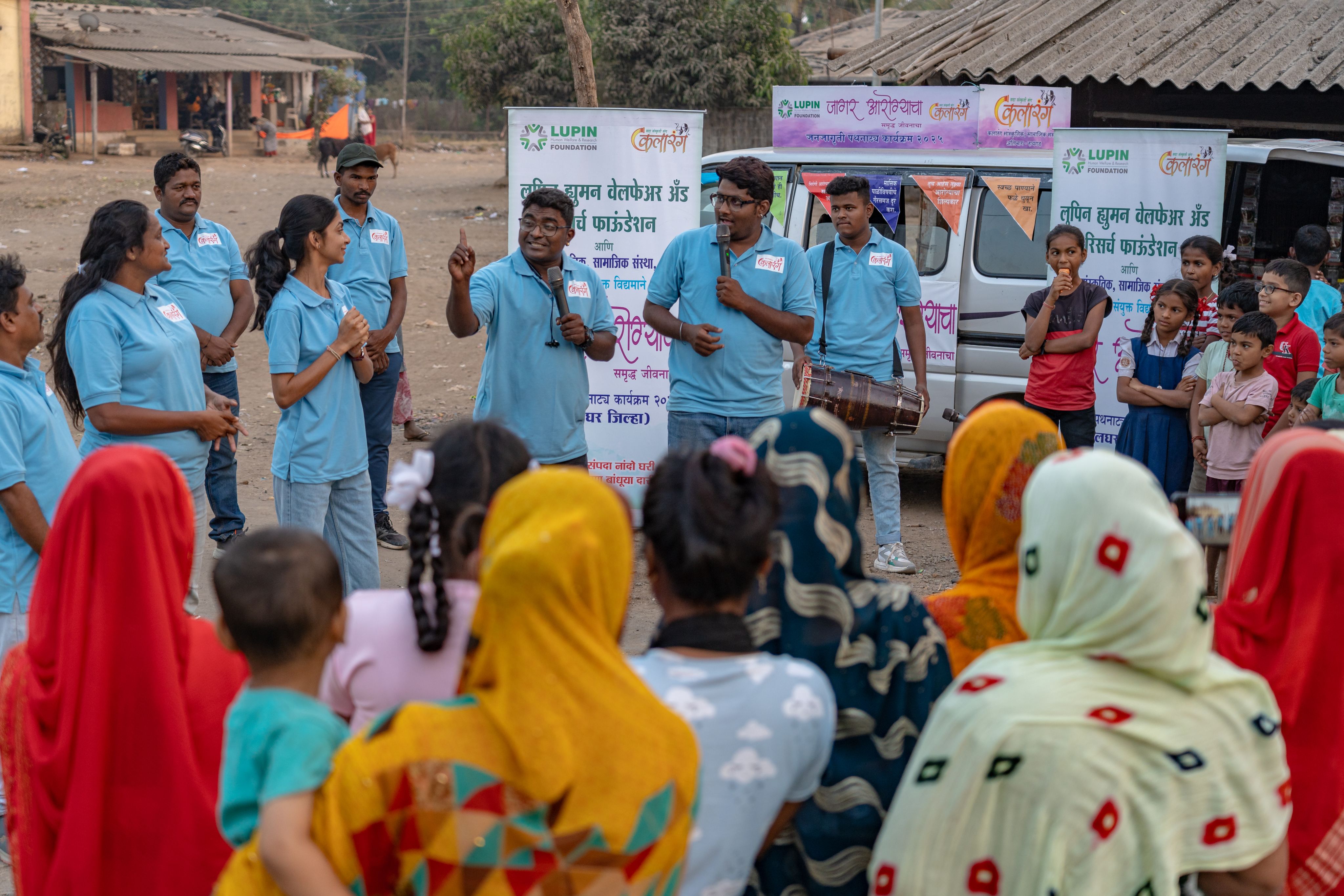
Health Awareness through street plays
Health Awareness through street plays
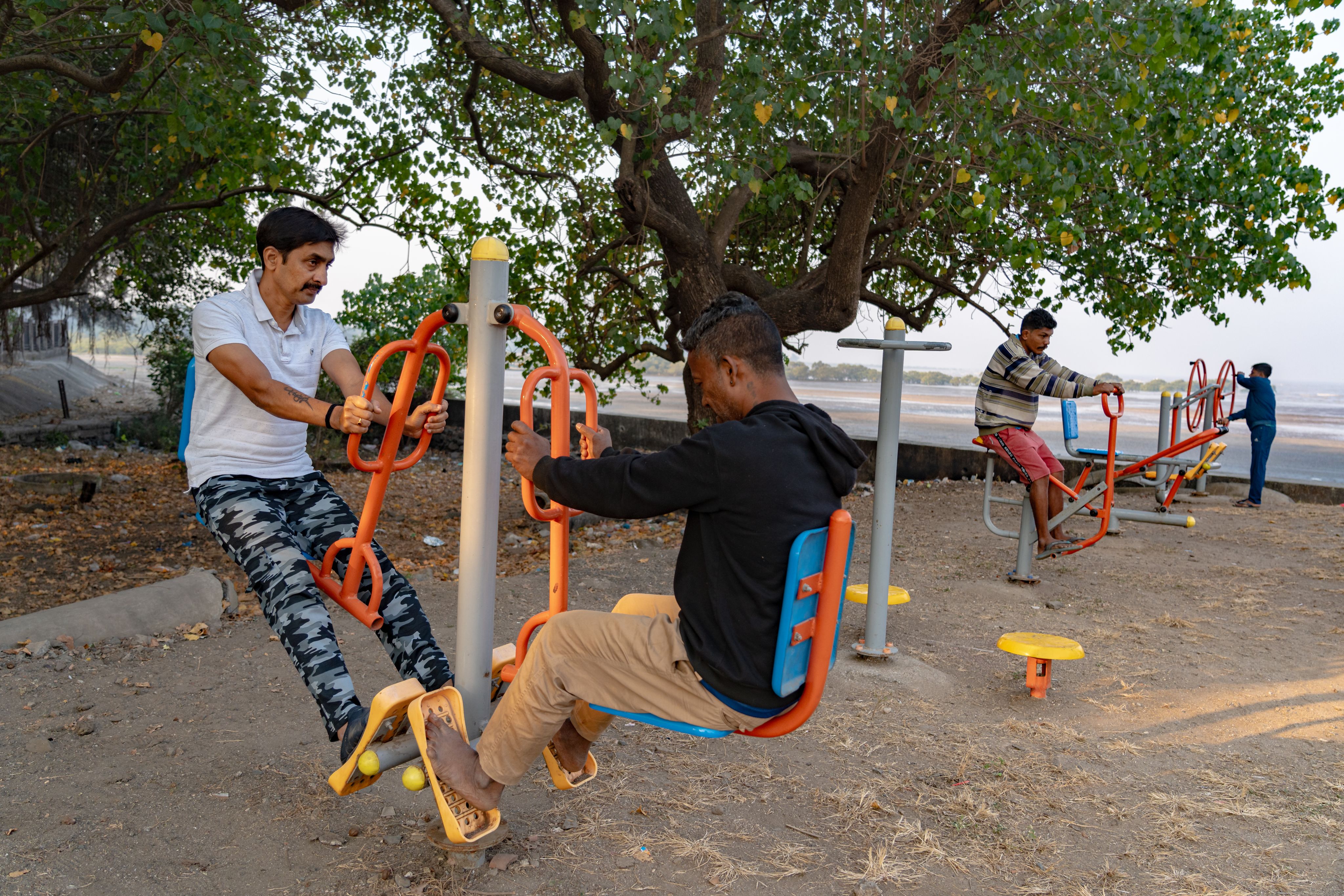
Open Gyms for health promotion
Open Gyms for health promotion
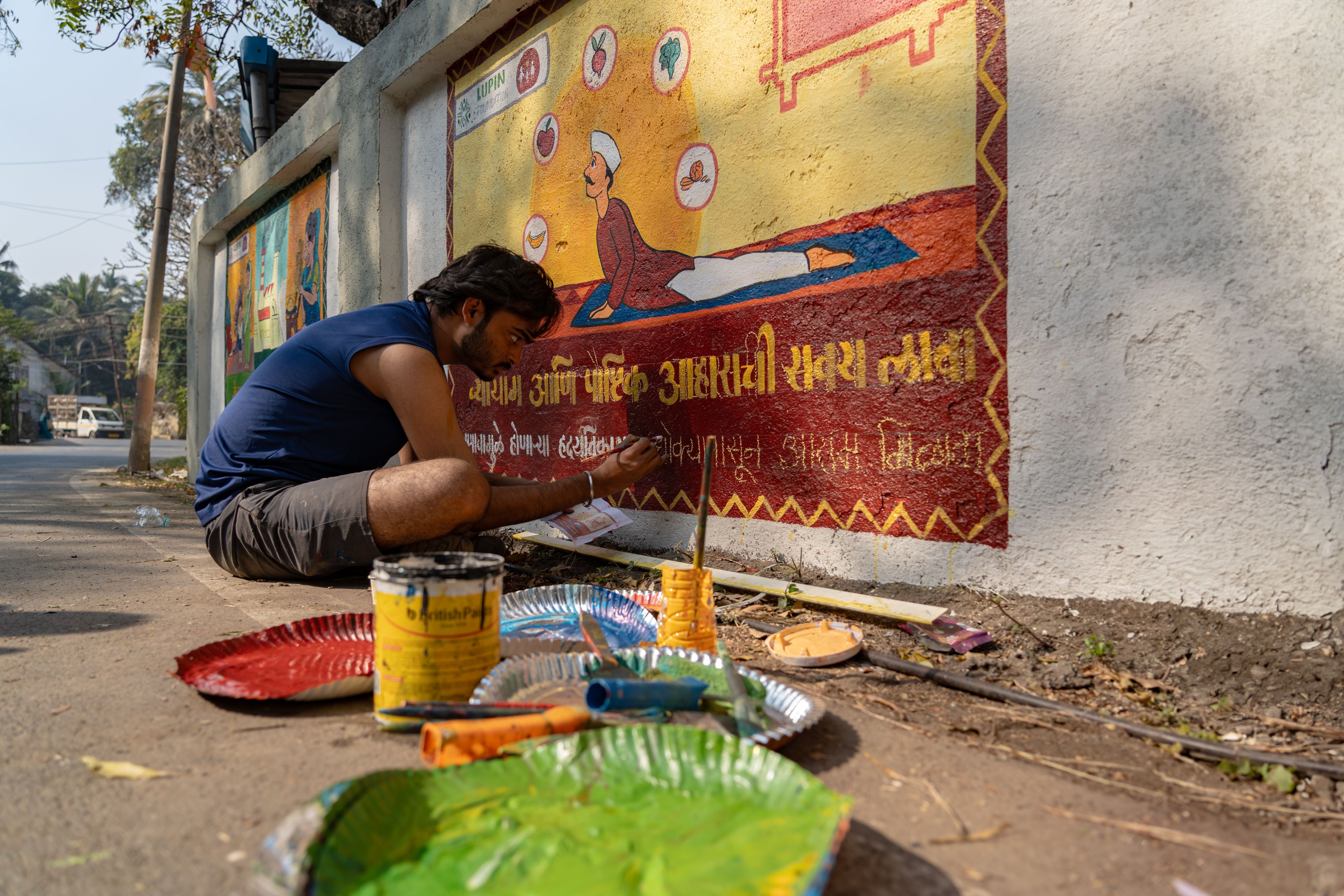
Wall Painting for awareness generation
Wall Painting for awareness generation
 Built with Shorthand