
Reaching the last mile, securing livelihood!


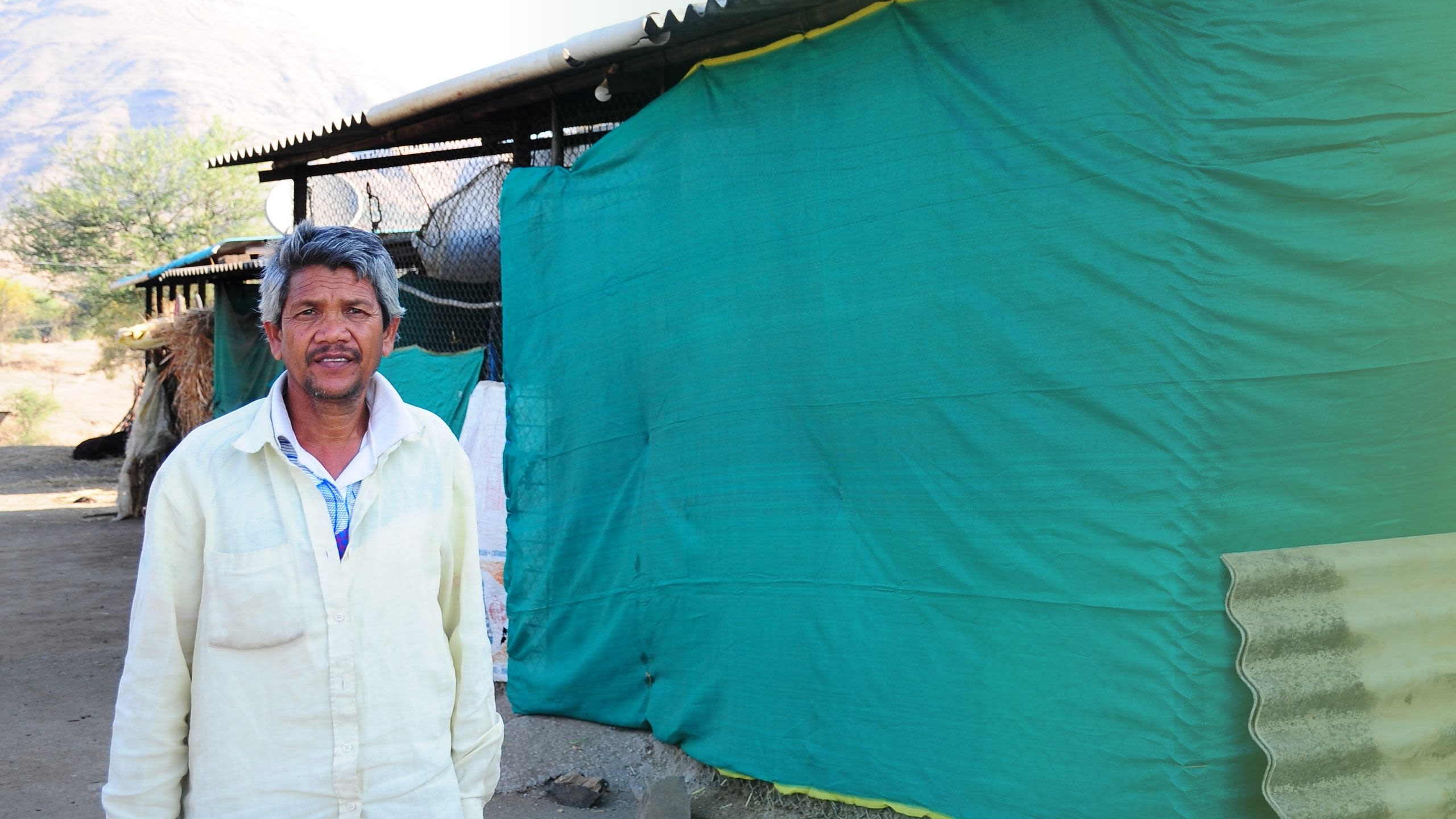
Dattatray Surkule hails from the village Gondre in Junnar block, Maharashtra. With no land of his own coupled with his physical impairment, he finds it extremely difficult to earn.
Now, he solely relies on his wife whose employment is seasonable and unpredictable, making it difficult for the family to make ends meet.
The story of Dattatray echoes the voices of countless such rural families like his, who are either landless, or rely heavily only on monsoons to supplement their agriculture income.
Now, an important question that arises is, how would they keep their livelihoods afloat throughout the year then?

Amidst these challenges, LHWRF's flagship program, Desh Bandhu Jan Utkarsha Pariyojana bridged this gap, by helping farmers like Dattatray and their families to find alternative sources of incomes. This involved offering financial assistance, continuous support, and capacity-building initiatives. This was done by making entrepreneurship opportunities available, providing knowledge management support and several other sustainable livelihood opportunities spread over a span of 2 years.
The initiative aimed to provide alternate sources of income for the most vulnerable farmer groups and their families, guaranteeing that the poorest of the poor benefited from it.
A baseline analysis helped identify the most disadvantaged farming groups and develop an intervention approach.
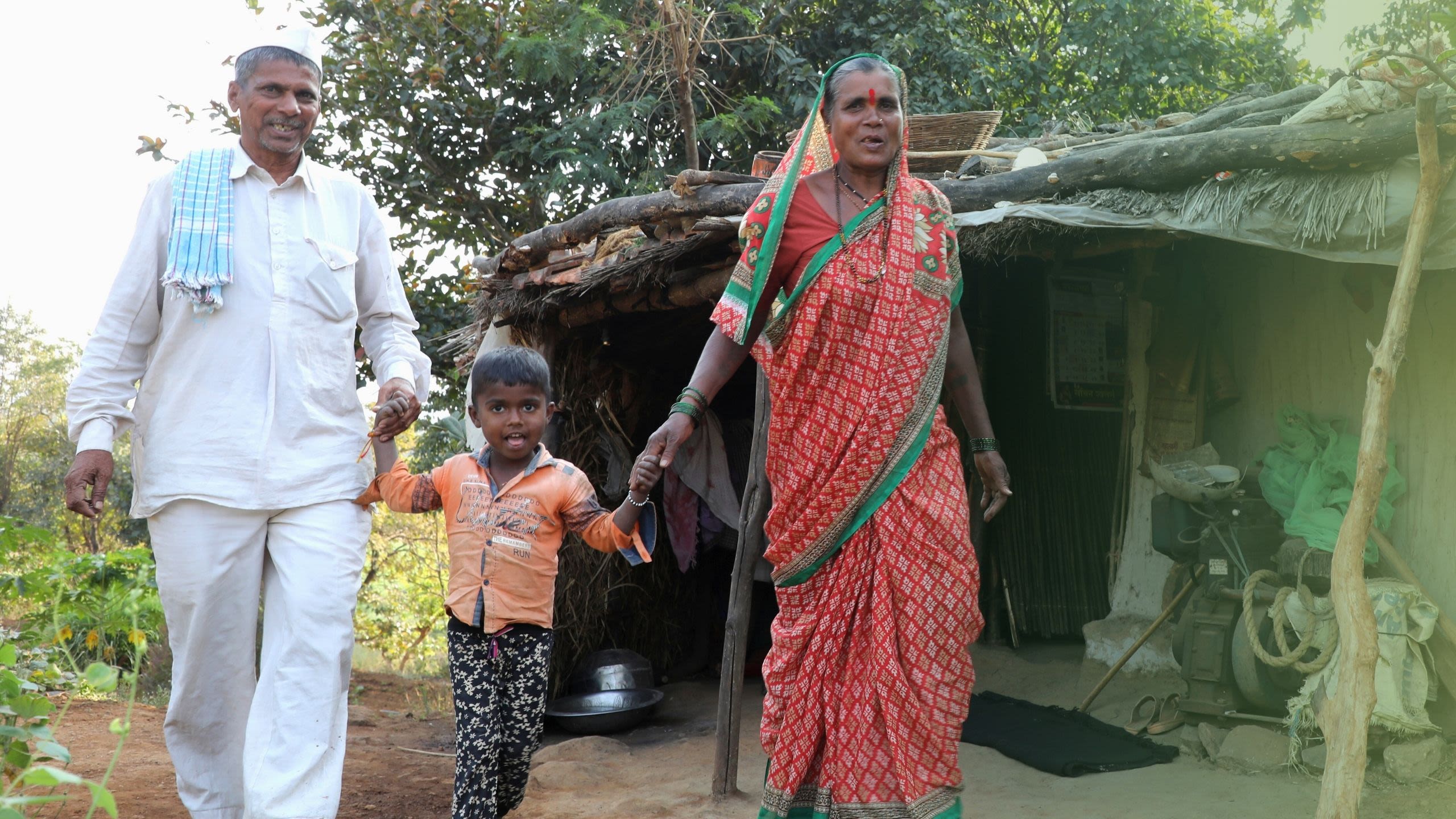
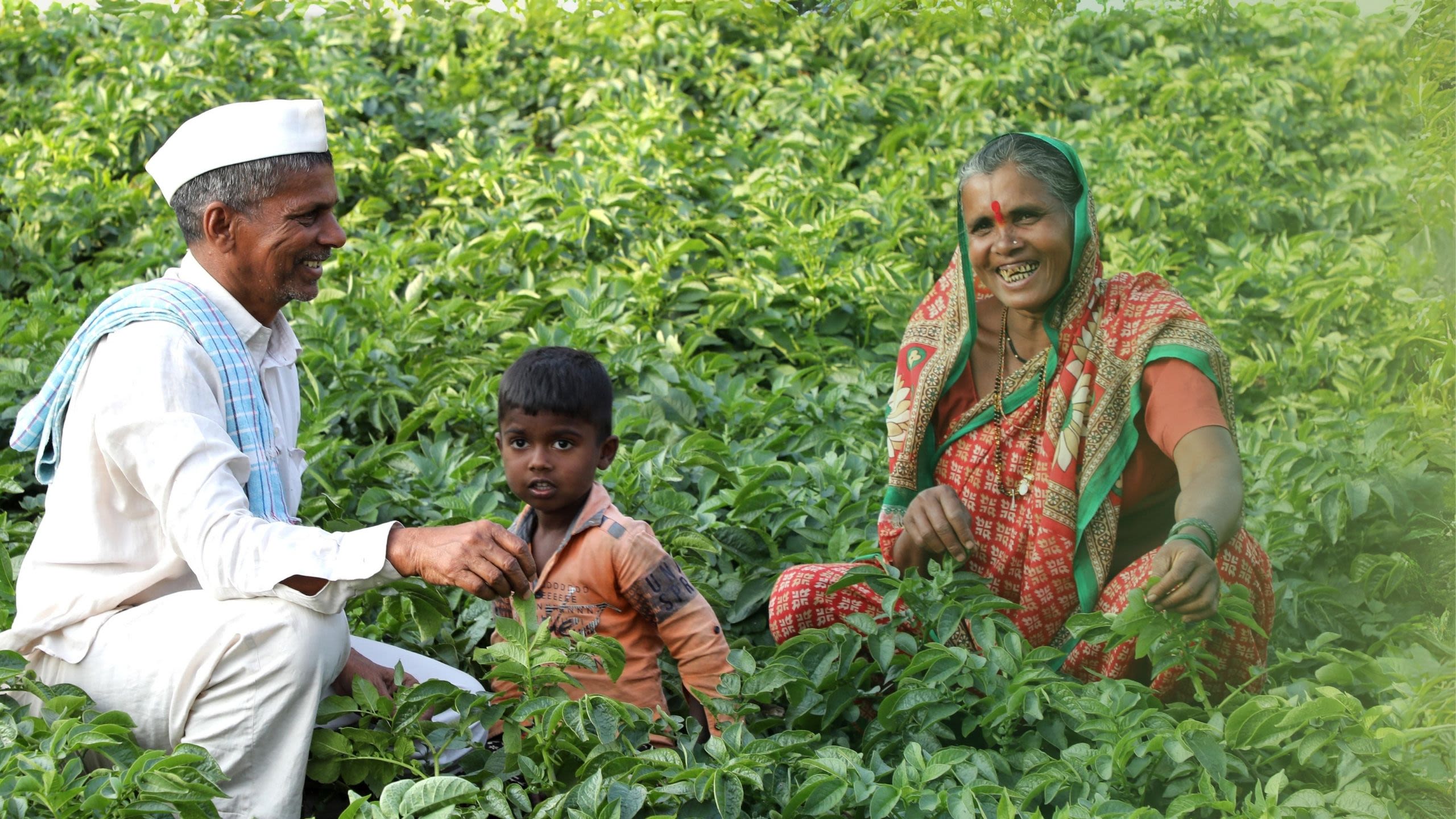
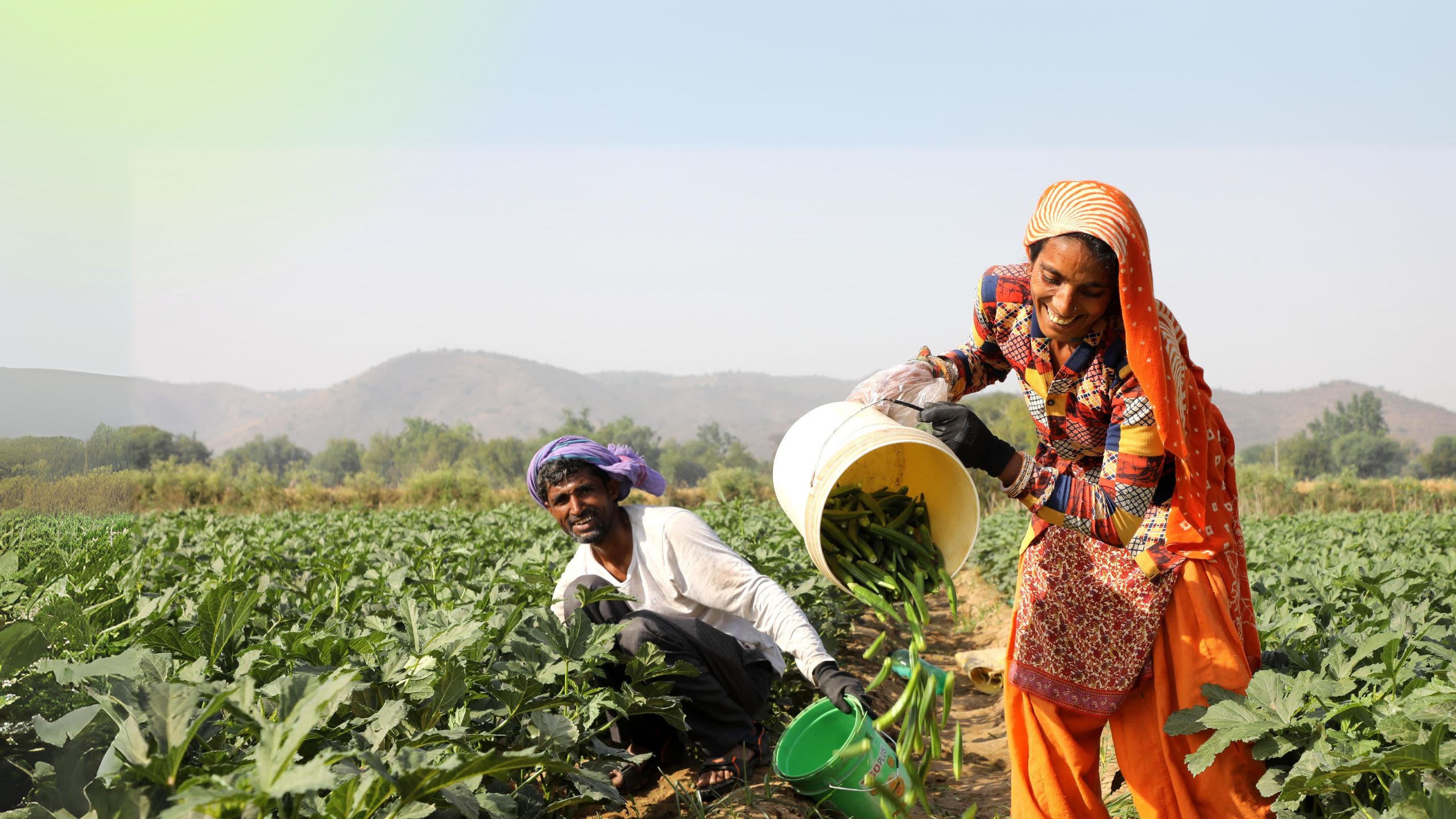
Farmers who possessed less than 2 hectares of land and relied solely on monsoons for farming were supported with irrigation facilities, vegetable cultivation and backyard poultry.

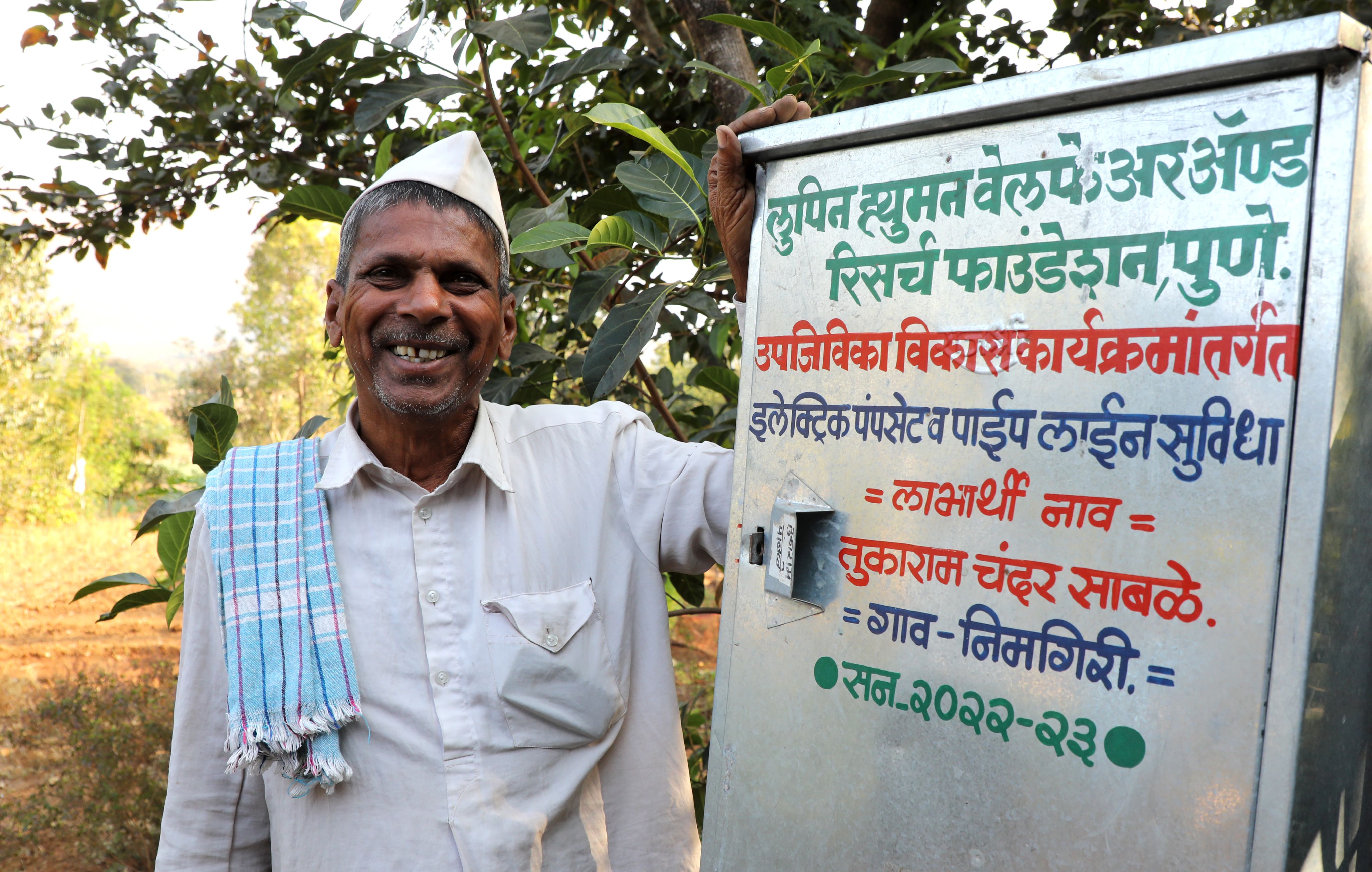

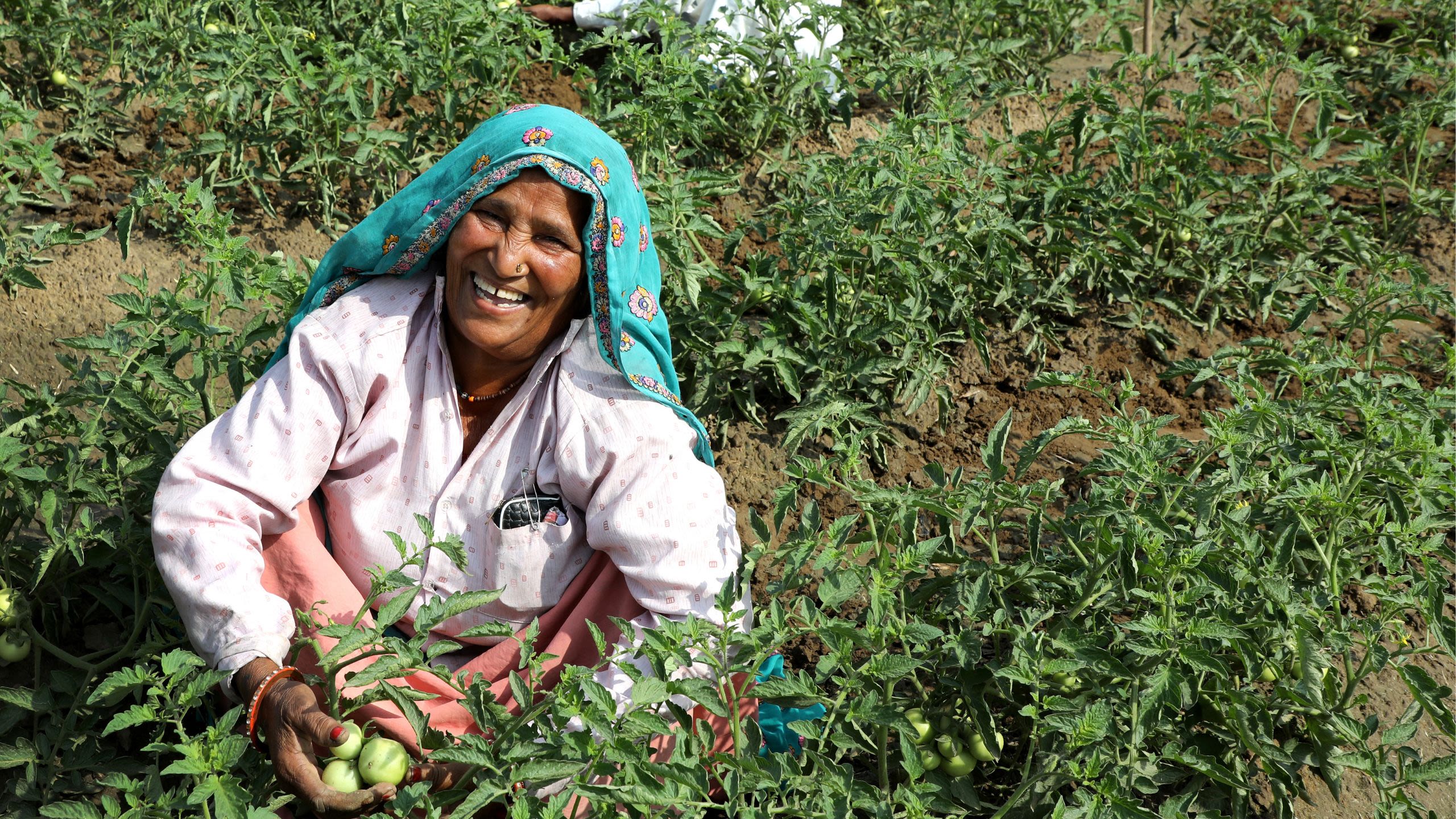

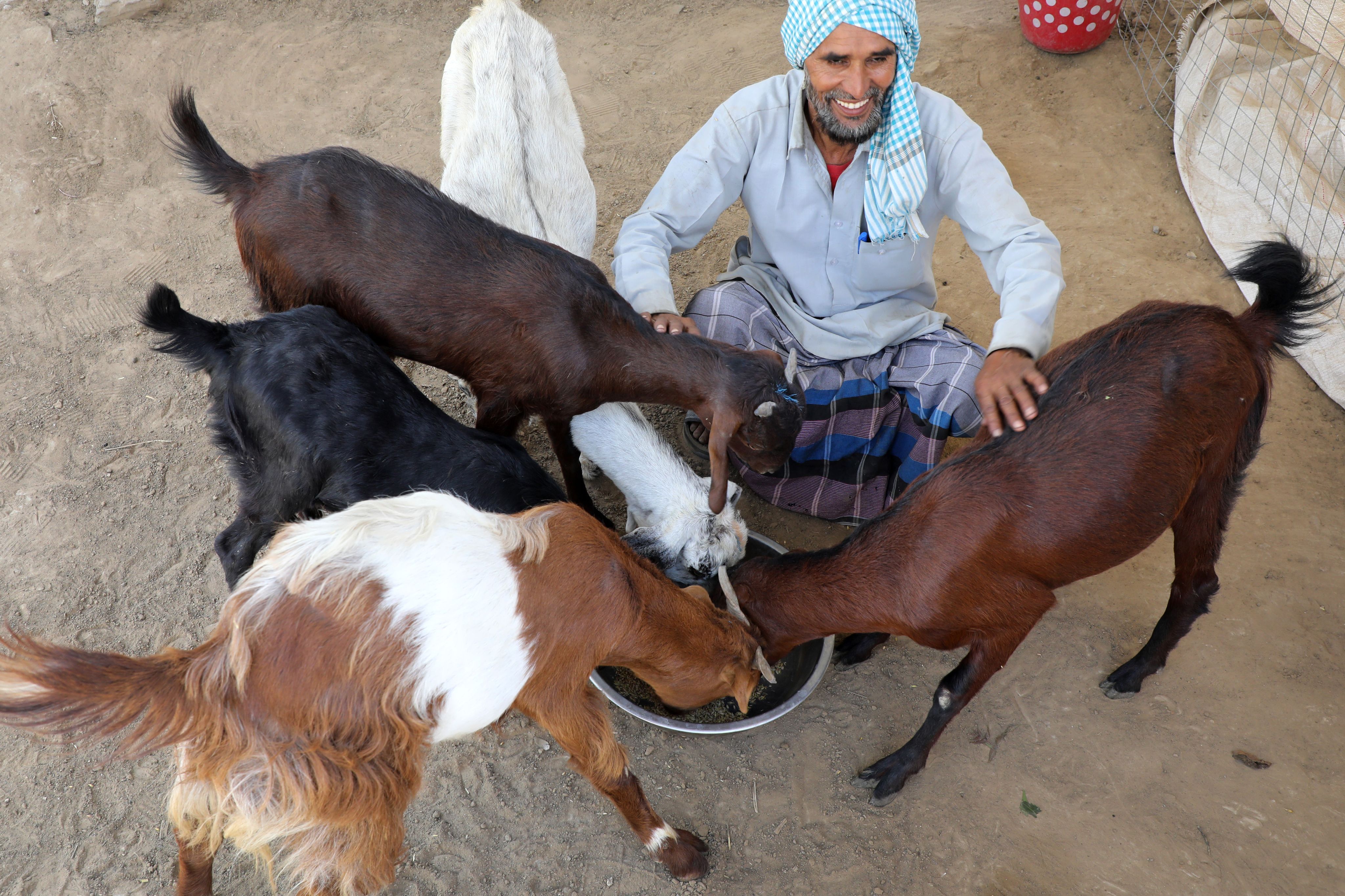
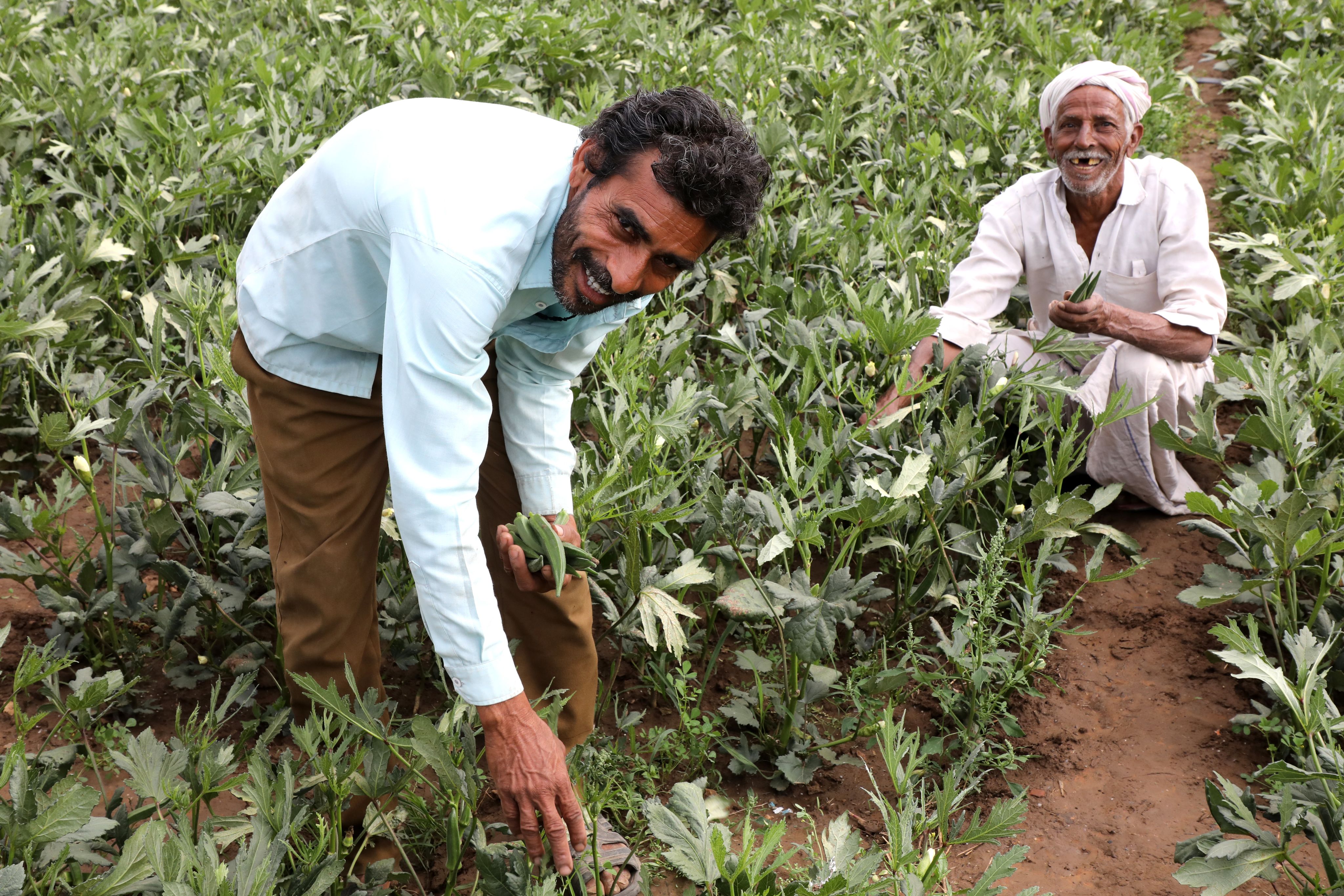
"Once reliant on Khus Grass and limited to Bajra due to inadequate irrigation, our agricultural prospects seemed bleak. However, thanks to the LHWRF's intervention, we've transformed our fields, quips Maya from Bharatpur. Now, I proudly cultivate a variety of vegetables—chili, tomato, okra, and bottle gourd—and have established a thriving goat farm."
Farmers who had irrigation facilities but land ranging less than 2 hectares were supported with cattle.

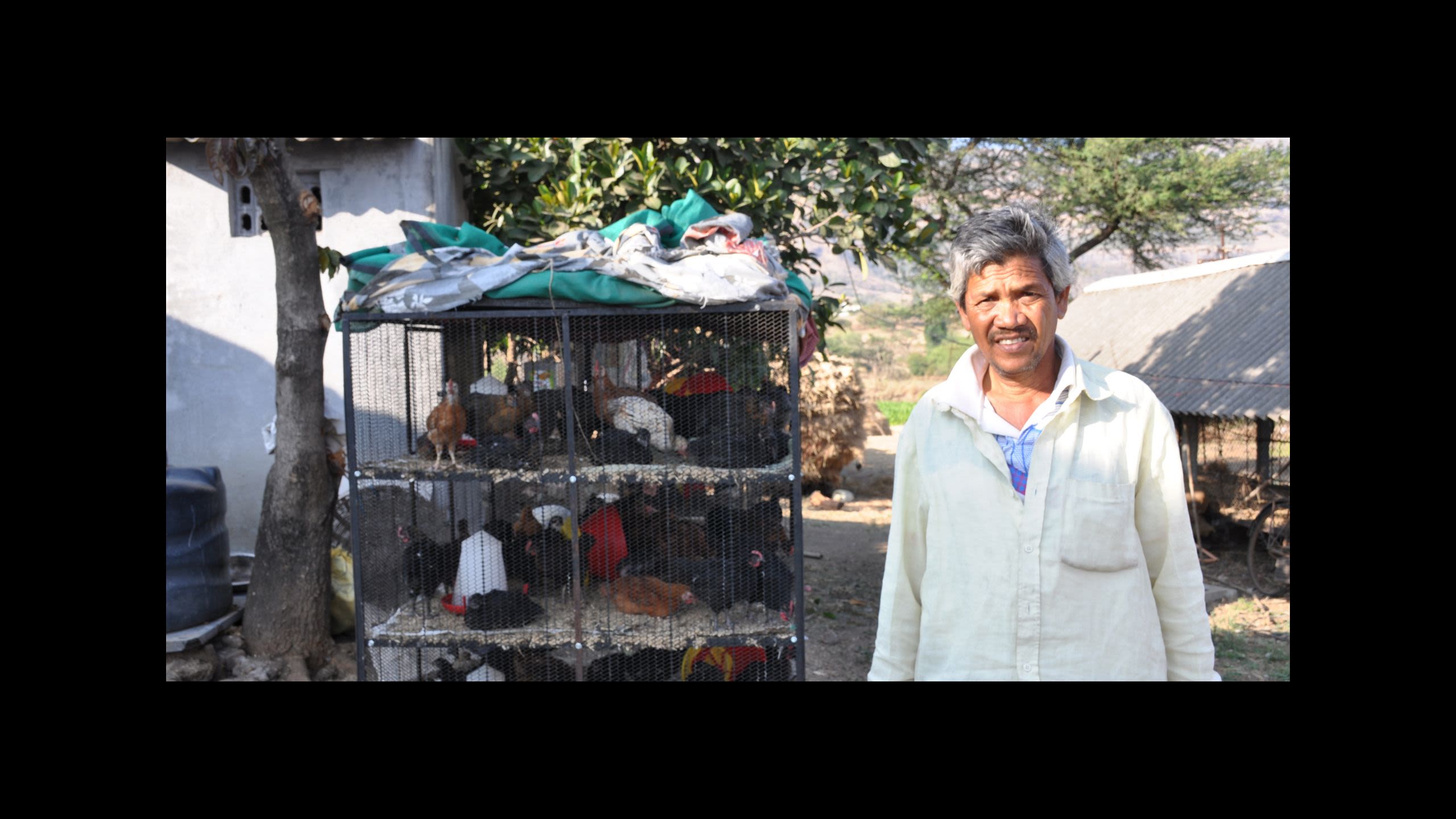



Remember Dattatray?
A landless laborer from Gondre village in Junnar?
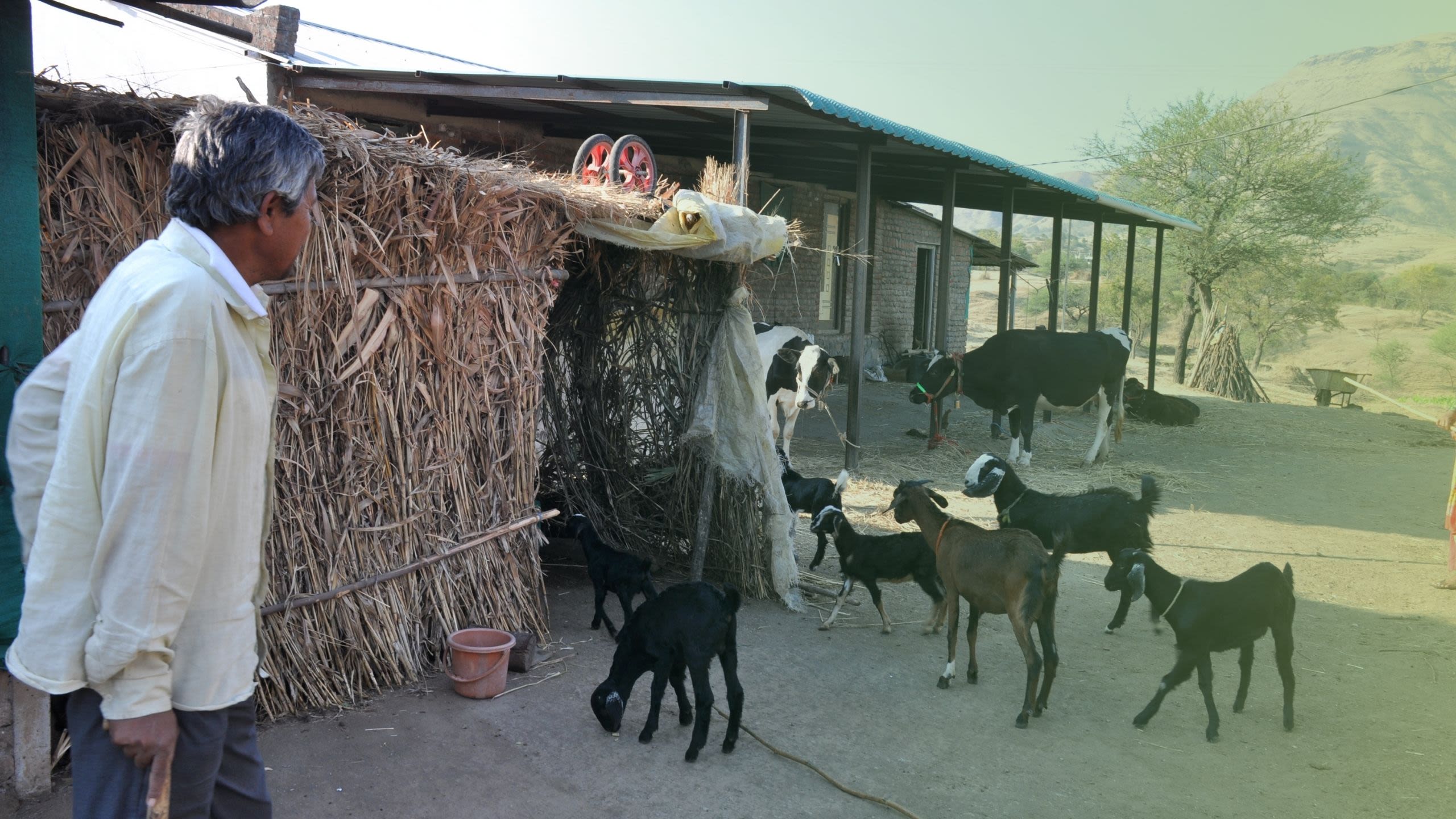
He now runs a goat and poultry unit, received from LHWRF’s intervention activities. Most notably, he has not let his physical impairment come in the way of securing a livelihood now.
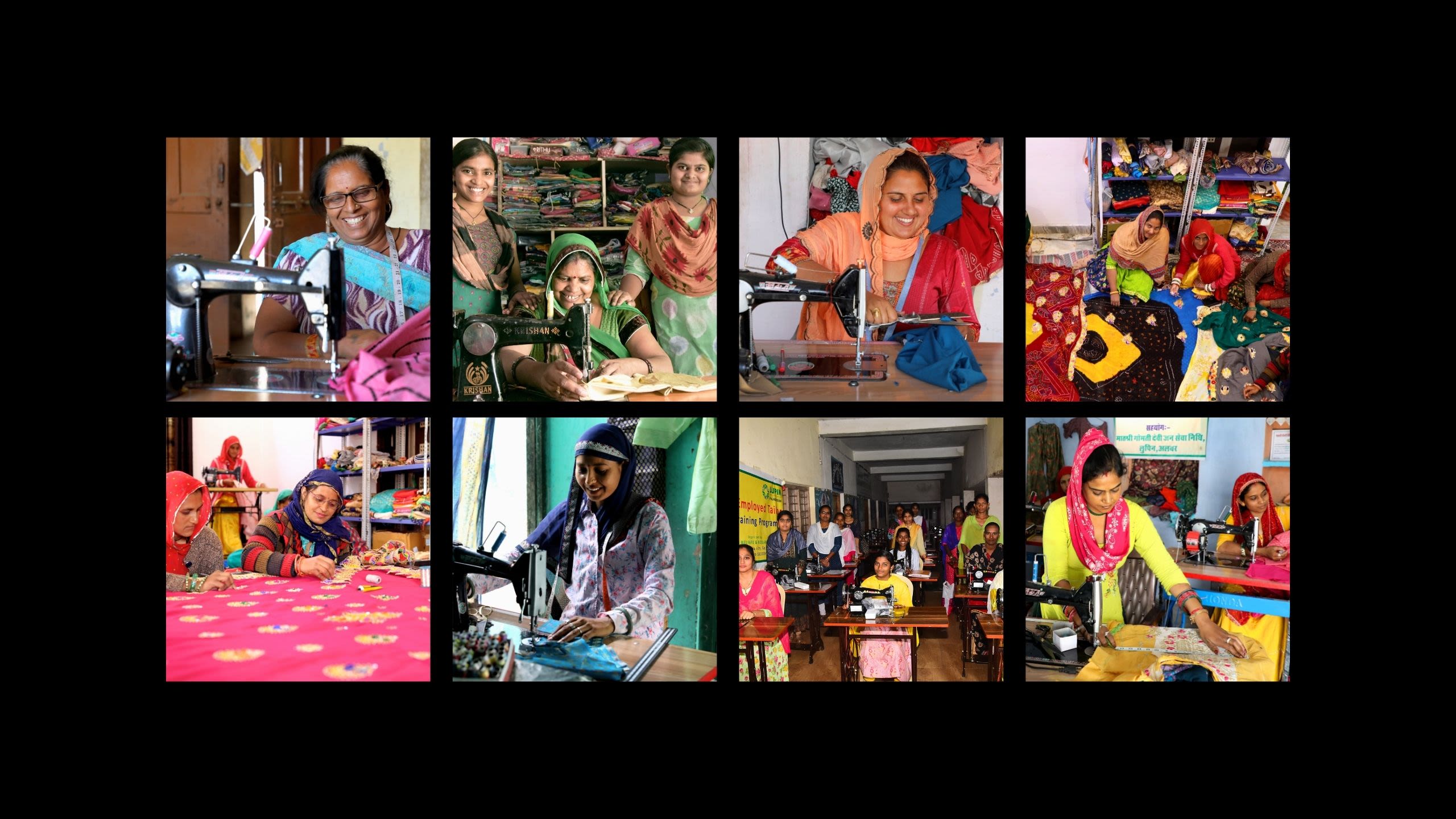
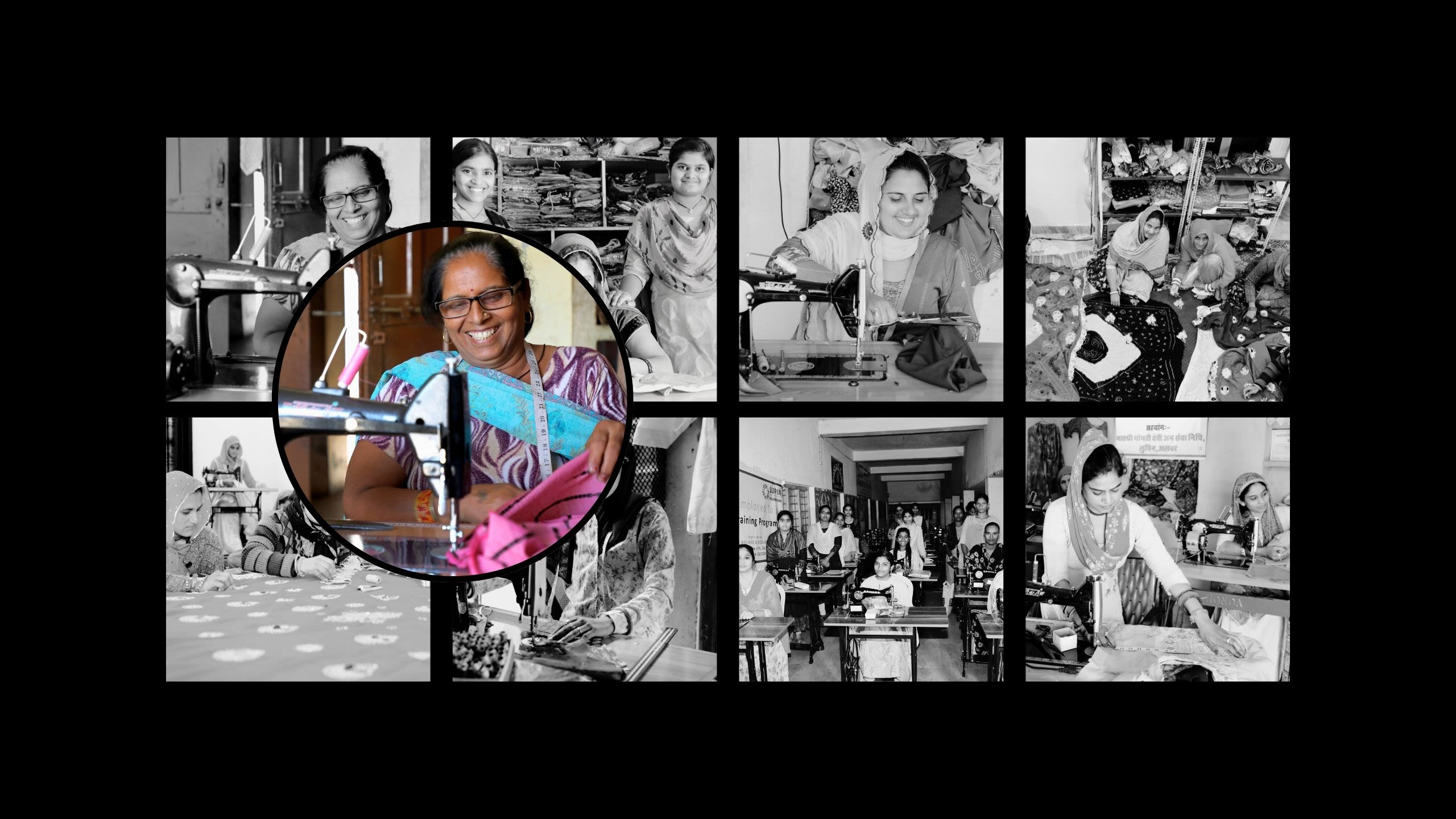
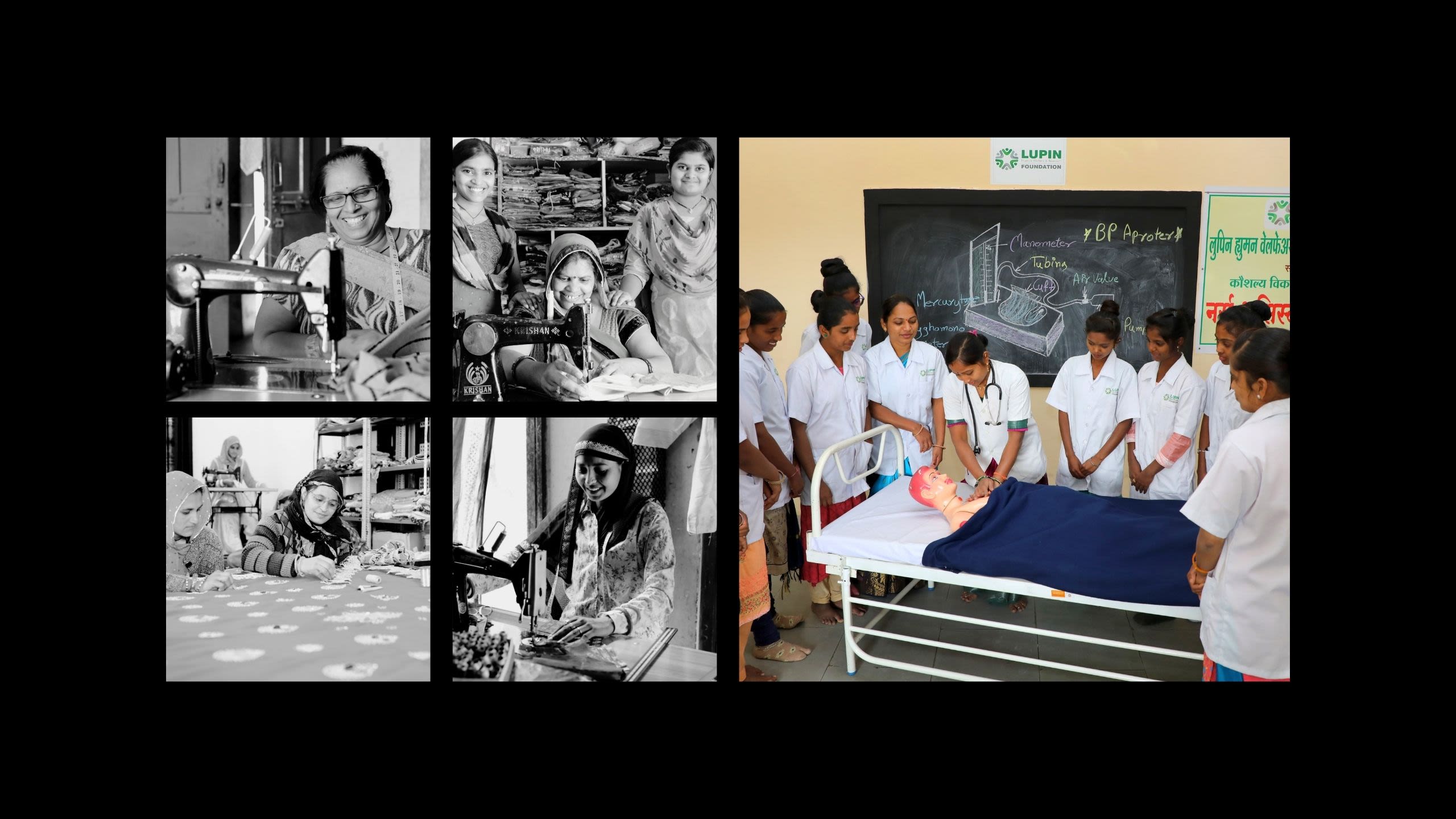
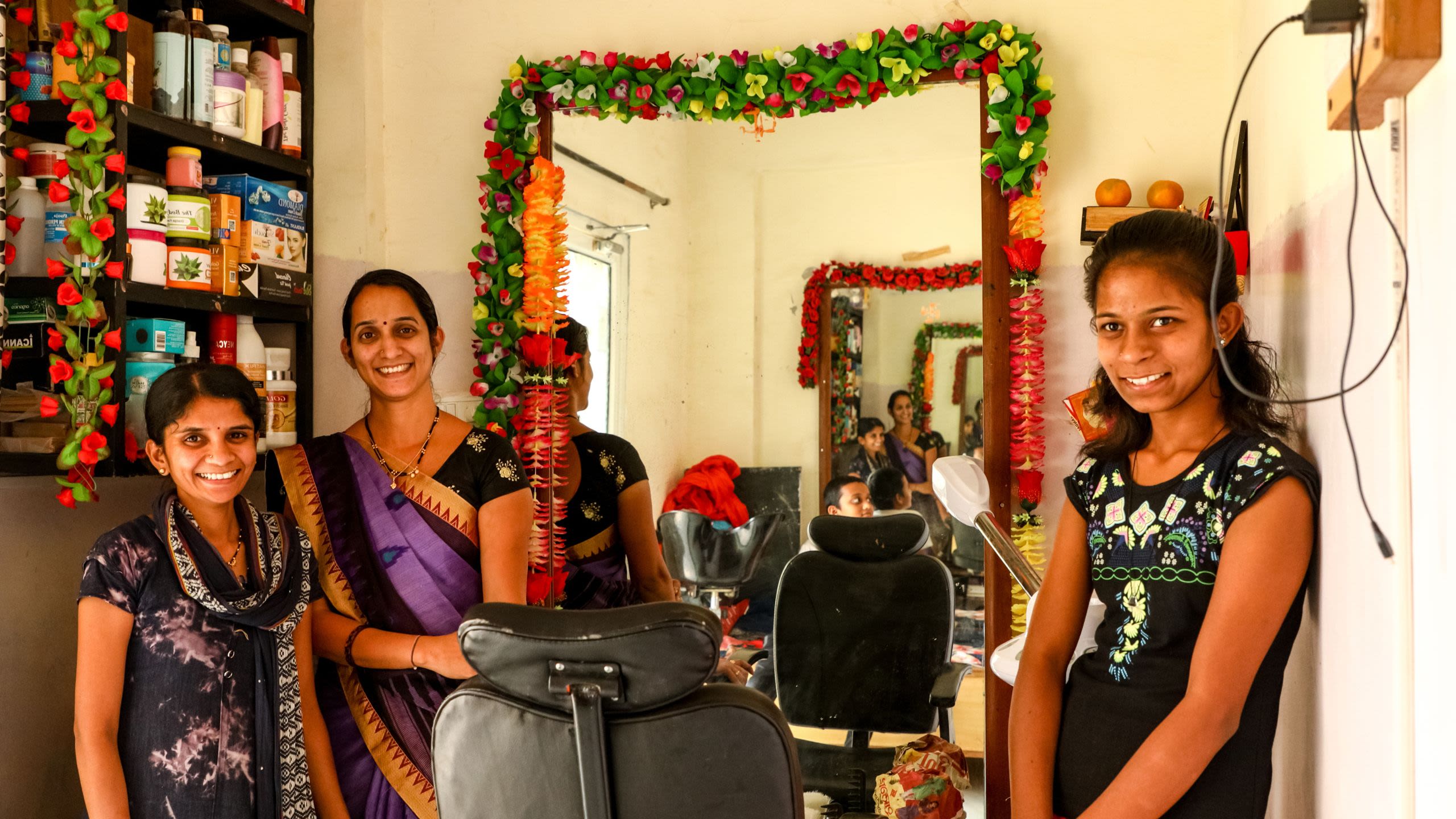
With a steadfast belief of providing access to opportunities to the most vulnerable, LHWRF has ensured that all its initiatives reach all sections of the society. Women, especially, have found new wings and are carving a better future for themselves through the skill development training offered as part of the initiative.
"We belong to the Harijan community, and my father works as a cleaner at the local gram panchayat office in our village. For the first time, I was included in a training course and not discriminated against on the basis of my caste. I am confident that we would now not only better our income sources but have already broken the barriers of earning a different option for our livelihood."
- a woman from Alwar
Sita, from the same district shares,
“ I am now earning my own money and do not rely on my husband's earnings. It has given me a new found freedom that I never experienced before!”
In Junnar, the nursing assistant teaching program provided a much-needed platform for women to fetch skilled employment. Shrutika, a young widow, found herself in despair and in dire need to fend for herself and her son. She found odd work working as a wage laborer, however, after having stumbled upon this institute, she is hopeful and optimistic to earn a better livelihood for herself!
The program has impacted 1150 families from Alwar, Bharatpur in Rajasthan and Dhule, Pune in Maharashtra over 2 years.
The initiative has a startling 170% rise in household income over a two-year period. Alongside, a decrease in outward migration, diversification of income at the household level, and generation of alternative livelihood opportunities.
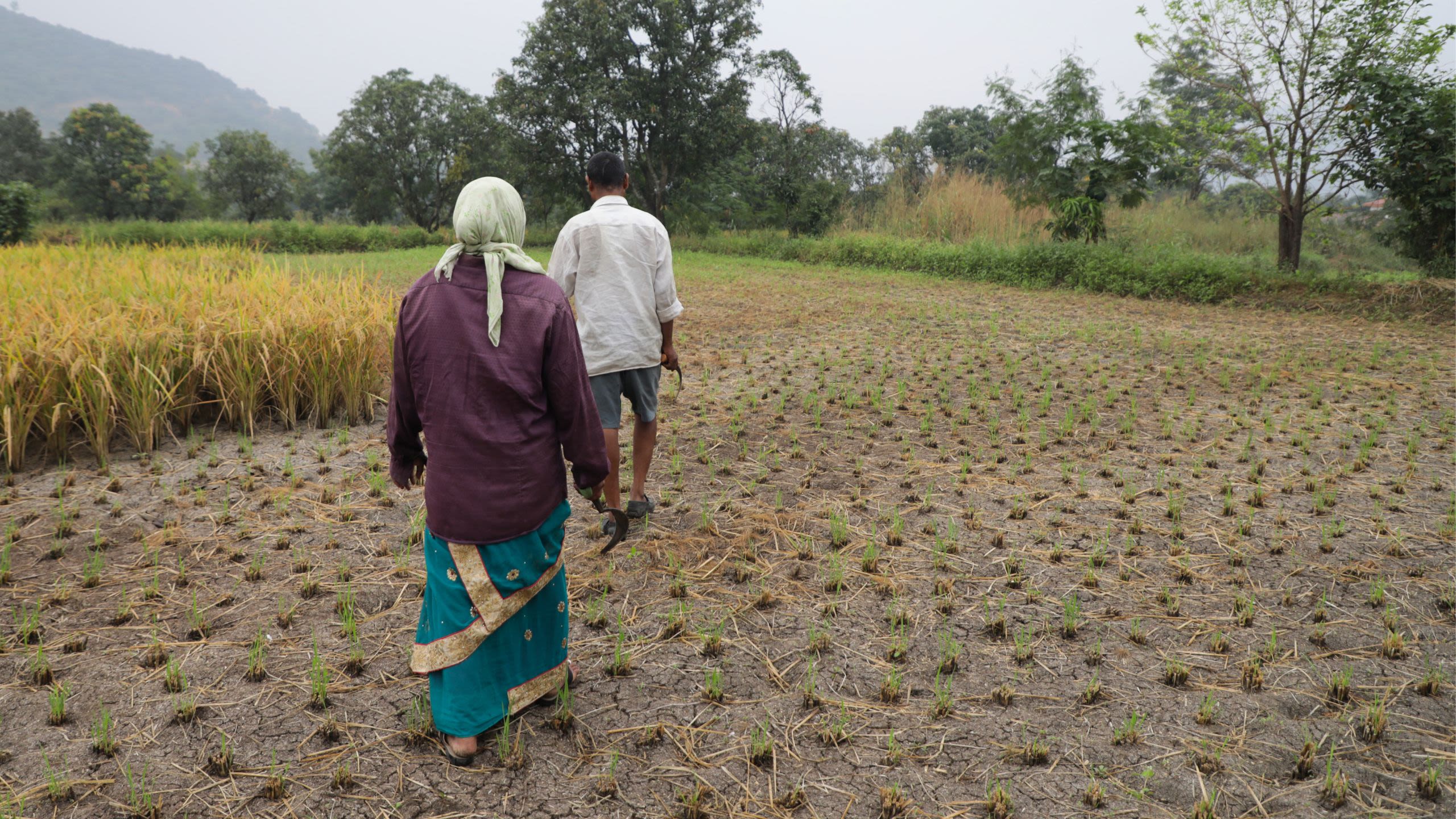
Imagine, toiling one’s field, putting in every ounce of hardwork and yet having to migrate to a different state to earn a livelihood, this was the fate of Bhagwan Zipa Chaure. A farmer from Machmal village, from Sakri block, Dhule.
Having relied only on monsoons, he would earn only Rs, 20,000/- from his farmland and in the remaining months he would migrate to Gujarat to work as a laborer.
With the support received under this program of receiving biofertilizers, high quality seeds and constructing an irrigation facility, that involved constructing a pipeline to lift water from the Malegaon dam, he is able to harvest onions and chillies which has earned him around 1 Lakh.
Moreover, he could stay back in his village and focus entirely on farming during the summer months. Support to set up a poultry unit has helped him to diversify his livelihood and earn an addition of Rs. 35,000/-. An increase in his income has now enabled him to purchase an old tractor, that would help him in farm allied activities.



 Built with Shorthand